Many first-order problems do not start with the product itself. They start when MOQ terms, custom packaging scope, and label responsibility are assumed rather than confirmed.
If you are comparing dried fruit, food-grade botanicals, soup mixes, or gift pack suppliers, this is one of the most practical private label and wholesale checks to complete before deposit, artwork approval, or production scheduling.
1. Confirm how MOQ is actually calculated
MOQ is one of the most misunderstood parts of a wholesale or private label order. Buyers often hear a single number, but that number may apply in different ways.
| MOQ basis | What it usually means | Why it matters |
|---|---|---|
| Per SKU | Minimum quantity for one product item | A mixed order may still require each item to hit its own threshold |
| Per pack size | MOQ changes between 80g, 150g, and 250g formats | Same product, different pouch size, different setup cost |
| Per packaging design | Each artwork version may need its own minimum | English and bilingual versions may not share the same run |
| Per production run | The supplier groups production by one batch or line setup | Small split orders can become inefficient or delayed |
Before confirming price, ask the supplier to state MOQ in one complete sentence. For example: "MOQ is 1,000 units per SKU, per pack size, using one label design." That avoids misunderstandings later.
2. Choose the right packaging path for your order stage
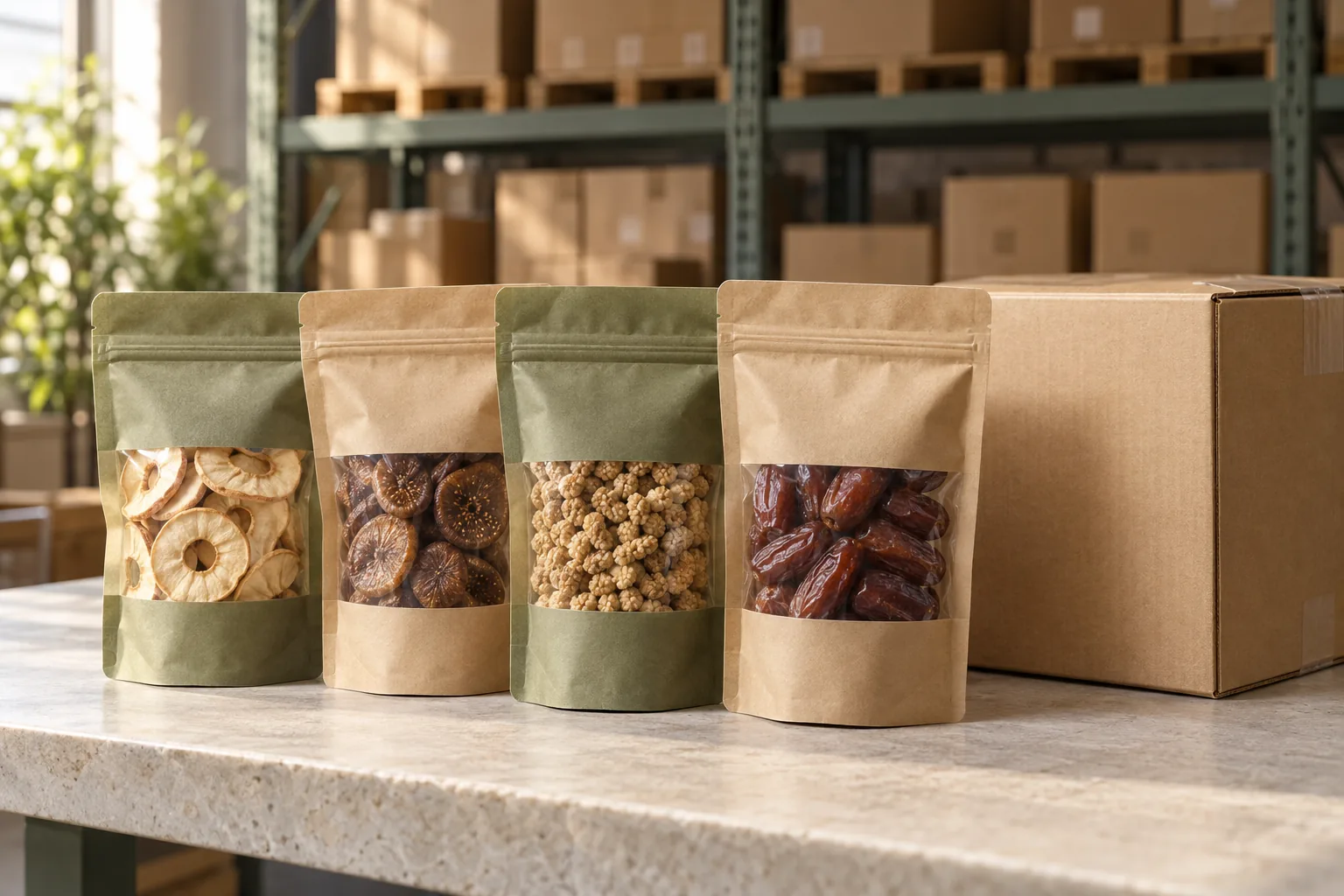
Not every order needs full custom printing from the start. In many first orders, buyers can reduce risk by using simpler packaging first and upgrading after demand is proven.
| Packaging option | Typical use | Cost level | Lead time risk | Best for |
|---|---|---|---|---|
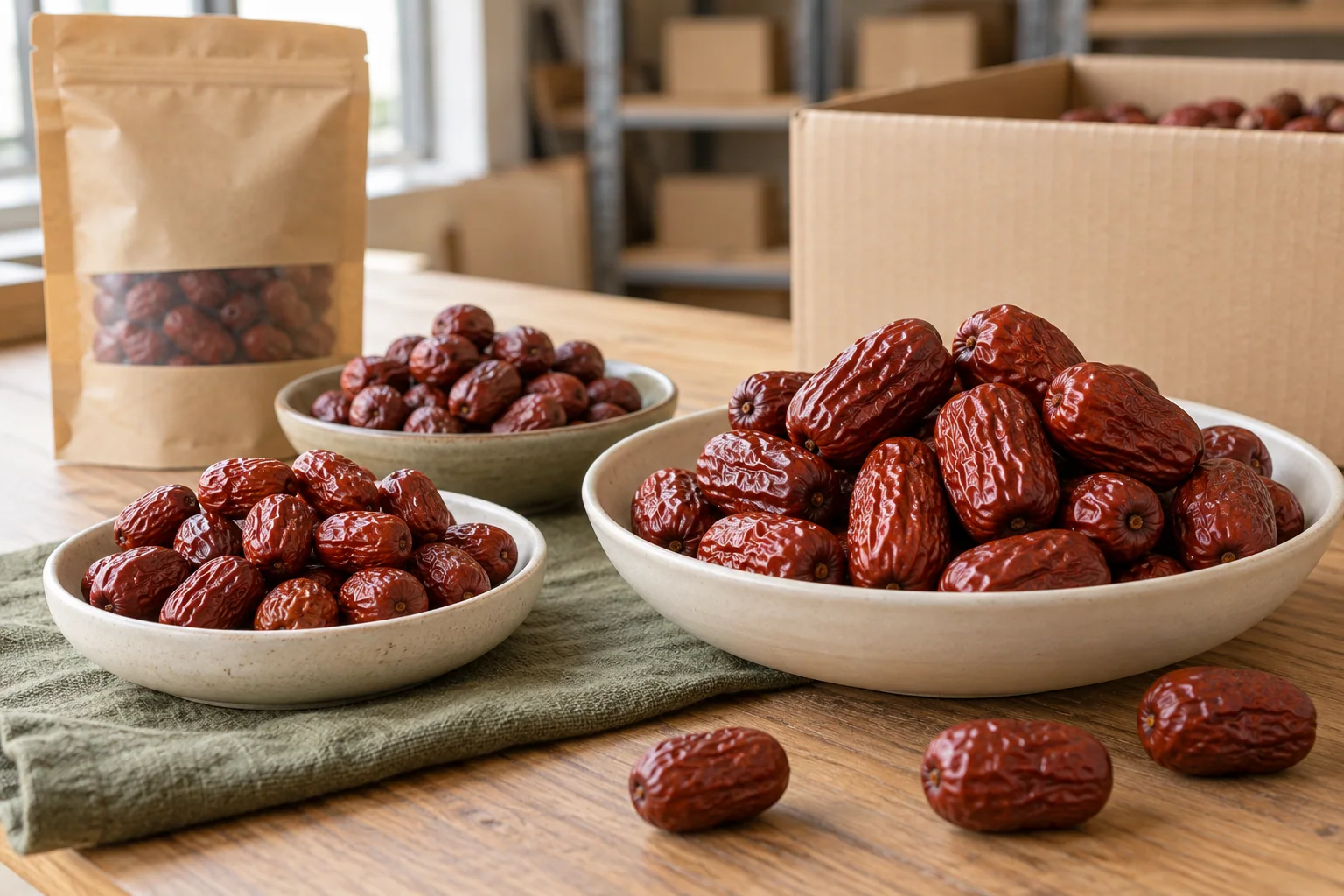
| Bulk bag or carton | Food service, repacking, ingredient use | Lowest | Low | Importers focused on cost and flexibility |
| Stock pouch + custom sticker | Fast private label testing | Low to moderate | Low | Trial orders and new market testing |
| Stock pouch + printed insert | Slightly stronger retail presentation | Moderate | Low to moderate | Buyers validating multiple SKUs |
| Retail-ready custom pouch | Branded shelf-ready product | Higher | Moderate | Proven SKUs with repeat demand |
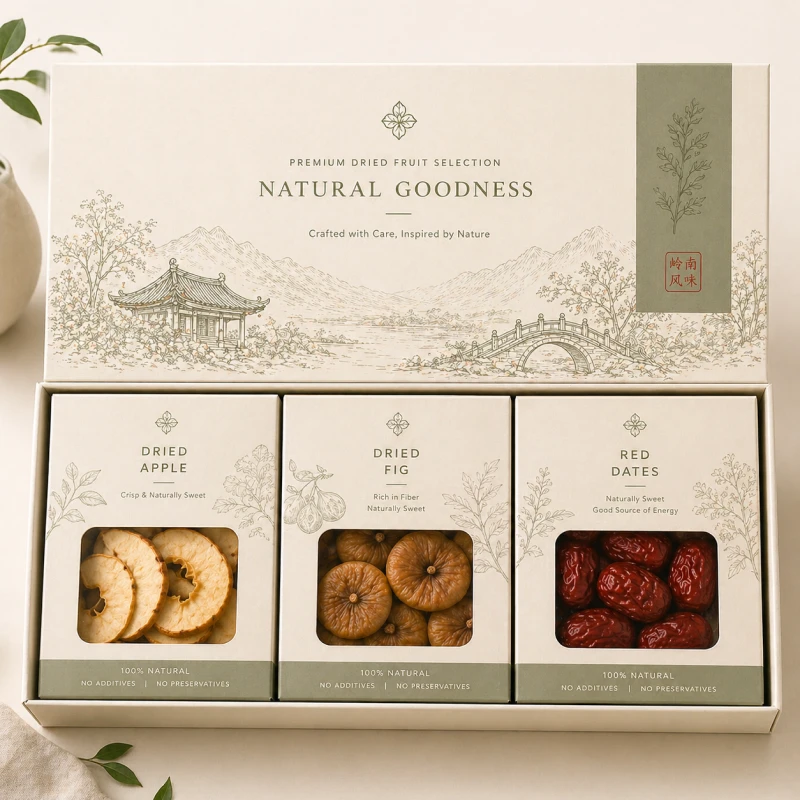
| Gift box or premium presentation pack | Seasonal, gifting, bundle programs | Highest | Higher | Premium retail and holiday promotions |
For many first orders, a practical path is to begin with stock packaging plus custom labels. That usually keeps setup simpler while still letting you test your brand in market.
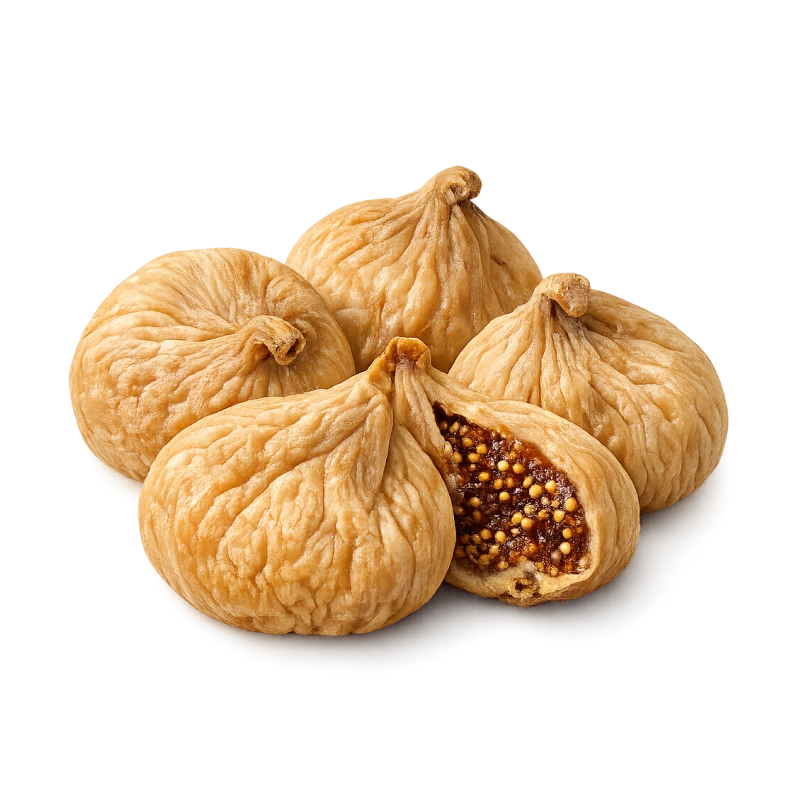
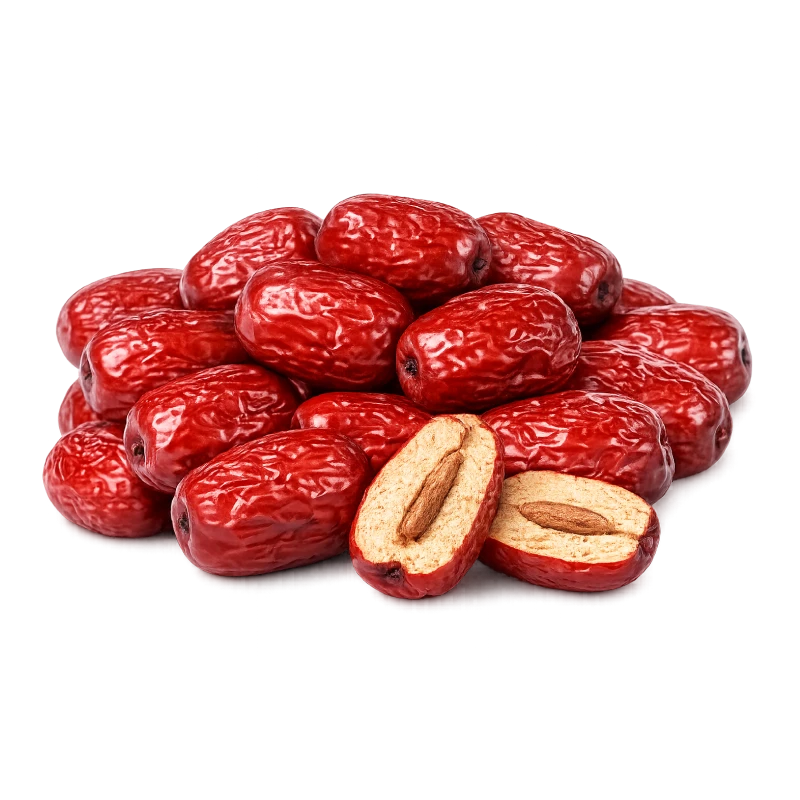
This is especially useful if you are still comparing which products deserve retail focus. Core items such as Dried Figs, Red Dates (Jujube), or a Dried Fruit Gift Box can all work, but they do not always need the same packaging path.
3. Clarify who is responsible for label compliance
One of the most expensive mistakes in a private label order is assuming the factory "handles the label" without defining what that actually means.
At minimum, buyers should confirm responsibility for:
- ingredient list and order of ingredients
- allergen declaration
- net weight format
- country of origin statement
- importer or distributor name and address
- barcode placement
- target market language version
- final artwork sign-off
Suppliers can help structure the file, apply your brand graphics, and flag common issues. But buyers still need to confirm what the target market requires. The safest workflow is to treat label approval as a shared checkpoint, not a vague handoff.
4. Ask for samples, mockups, and carton details before approval
Before mass production, buyers should request more than a product quote.
The most useful approval set usually includes:
- product sample
- packaging mockup or flat artwork preview
- label PDF or print-ready file
- carton dimensions and units per carton
- sealing method
- barcode position
- production lead time after artwork approval
This is the point where many avoidable issues appear. A product may look correct, but carton ratios may not suit your warehouse flow. A pouch may look fine on screen, but the label area may be too small for your market information.
5. A low-risk first-order setup for new buyers
If you are placing a first order, a lower-risk structure usually looks like this:
- start with 2-3 SKUs instead of a wide assortment
- use one market language version first
- choose stock packaging plus custom labels if demand is not yet proven
- confirm one clear MOQ rule for each SKU and pack size
- approve sample, label, and carton details before production starts
This approach often creates better visibility on margins, packaging fit, and re-order speed than jumping directly into a large custom print run.
Final thought
MOQ, packaging, and labels should be treated as one decision set, not three separate conversations. When buyers confirm them together, first orders move faster and rework drops sharply.
If you want to discuss a specific market, pack format, or private label path for dried fruits, botanicals, soup mixes, or gift sets, send an inquiry with your target channel and expected order size. That usually makes the next step much clearer.
FAQ
What is the difference between custom labels and custom packaging?
Custom labels usually mean using stock pouches or existing bags with brand-specific stickers or label files. Custom packaging usually means the pouch, print, or presentation format itself is made for your brand. Custom packaging often carries higher MOQ and longer lead time.
Should buyers start with fully custom printed pouches?
Not always. For many first orders, stock packaging plus custom labels is a lower-risk way to test demand, review carton efficiency, and check repeat order potential before moving to a larger printed run.
What label details are most often missed before production?
Common misses include ingredient order, allergen wording, net weight format, importer details, barcode placement, and language version control. These details should be confirmed before final artwork approval, not after production starts.
 Related products