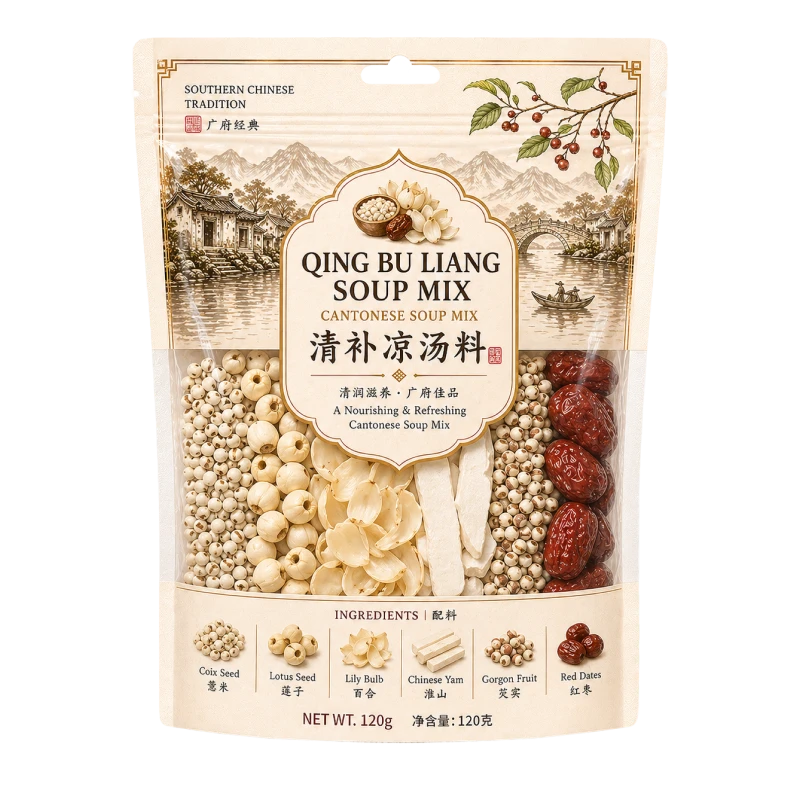
Ching Bo Leung is one of the most recognizable names in Cantonese soup mixes. For shoppers who already know Southern Chinese pantry traditions, it carries strong category identity. For newer customers, it is still easier to understand than many highly specialized formulas. That combination makes it one of the best entry products for North American buyers building a broader Cantonese soup program.
For retail buyers, the value of Ching Bo Leung is not only that it is traditional. It is that it can be sold in more than one useful way. It can be presented as a named Cantonese soup mix with strong regional identity. It can also be explained as a lighter family soup blend that is easier to understand than more technical herbal formulas. In practical terms, that means Ching Bo Leung Soup Mix can work as both a shelf education product and a repeatable retail SKU.
1. Why Ching Bo Leung deserves attention from North American buyers
North American buyers looking at Cantonese soup mixes often need one product that can introduce the category without making the shelf story too complicated. Ching Bo Leung does that well because:
- it has a recognizable Cantonese name
- it signals tradition without sounding too narrow
- it is easier to place in grocery, trial, and bundle programs
- it helps explain what Cantonese soup mixes are as a category
For buyers who want one product that can act as a category anchor, Ching Bo Leung is often stronger than a generic mixed dried-ingredient pack.
2. What ingredients are commonly found in Ching Bo Leung
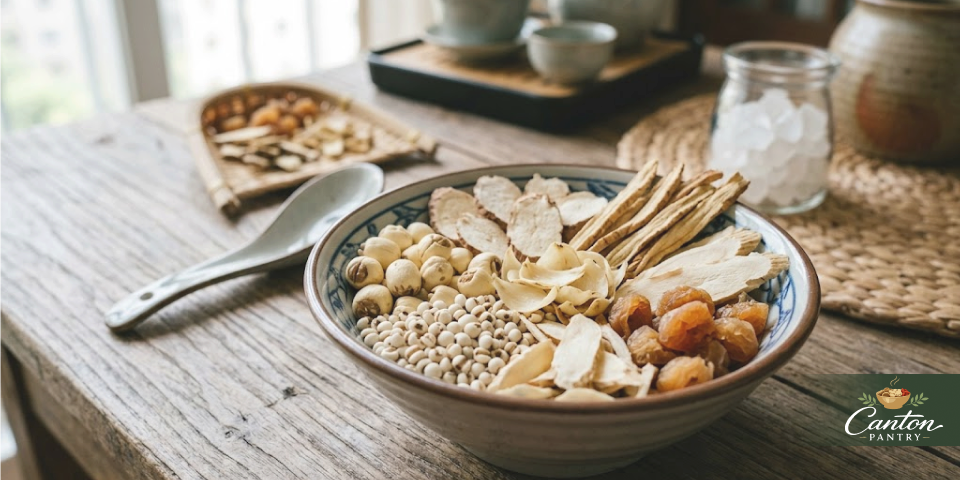
Ching Bo Leung formulas vary by supplier and market, but they are usually built from ingredients that feel balanced, traditional, and easier to recognize together. Common components often include:
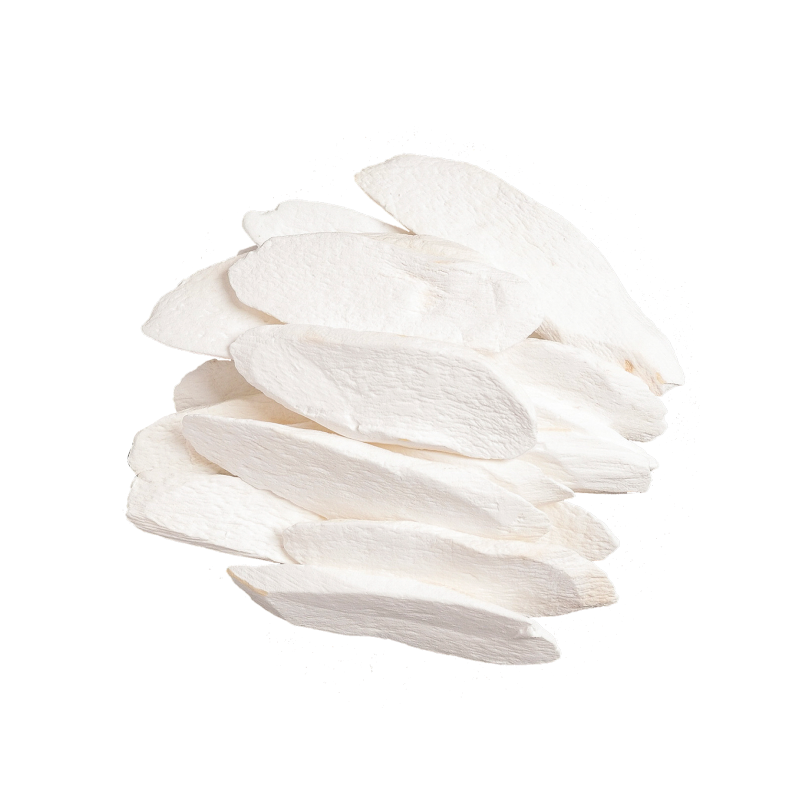
- Chinese Yam
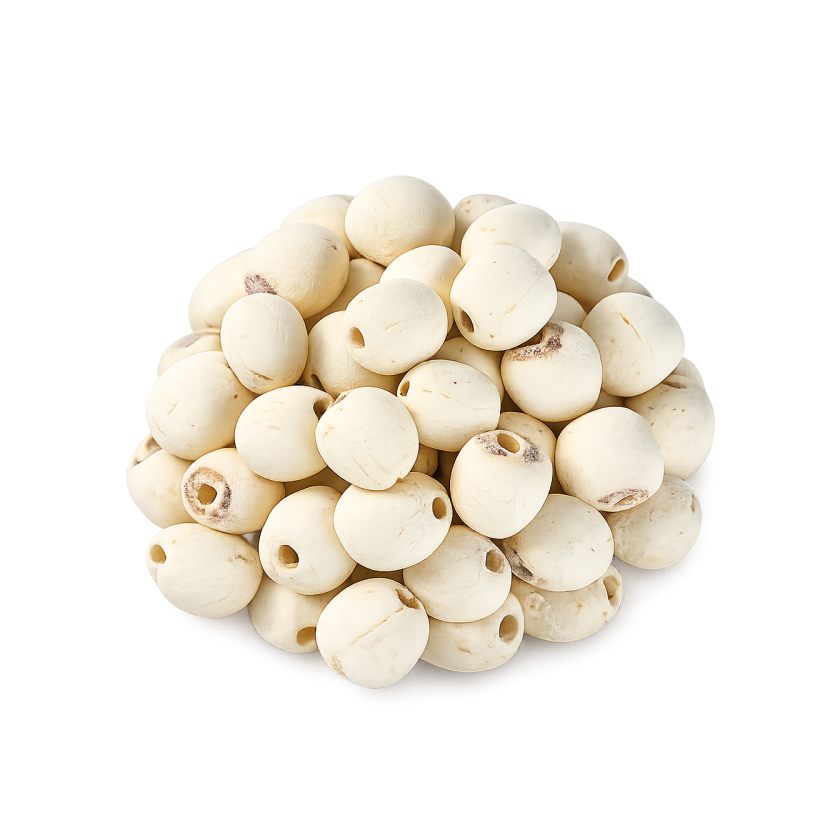
- Lotus Seeds
- lily bulb
- coix seeds
- poria cocos
- dried figs
- sea coconut
The exact ingredient list can shift depending on pack style, target customer, and price band. What matters more for retail development is that Ching Bo Leung usually reads as a complete soup idea rather than a single-ingredient concept. That makes the product easier to name, easier to merchandise, and easier to place into a family-use or beginner-friendly assortment.
3. How retailers should position Ching Bo Leung in North America
For North American retail, Ching Bo Leung usually works best when the positioning stays clear and shelf-friendly. Buyers can use three practical positioning routes.
Route 1: classic Cantonese soup mix
This route works best in Asian supermarkets and channels already familiar with Chinese pantry culture. Here, the name itself carries value and helps the product stand out as a recognizable category item.
Route 2: family soup pantry line
This route is useful when the buyer wants the product to feel more everyday and less niche. In that case, the messaging can focus more on home cooking, shared servings, and simple pack instructions.
Route 3: beginner entry SKU
This route is especially useful for e-commerce and mixed trial programs. The package can lead with ingredient clarity, serving format, and simple cooking guidance so first-time buyers understand the product faster.
In most cases, this performs better than pushing Ching Bo Leung into language that sounds too technical or too compliance-sensitive.
4. How buyers can test a first Ching Bo Leung SKU
For a first product round, buyers are usually better off keeping the test structure simple and readable. A practical starting point can include:
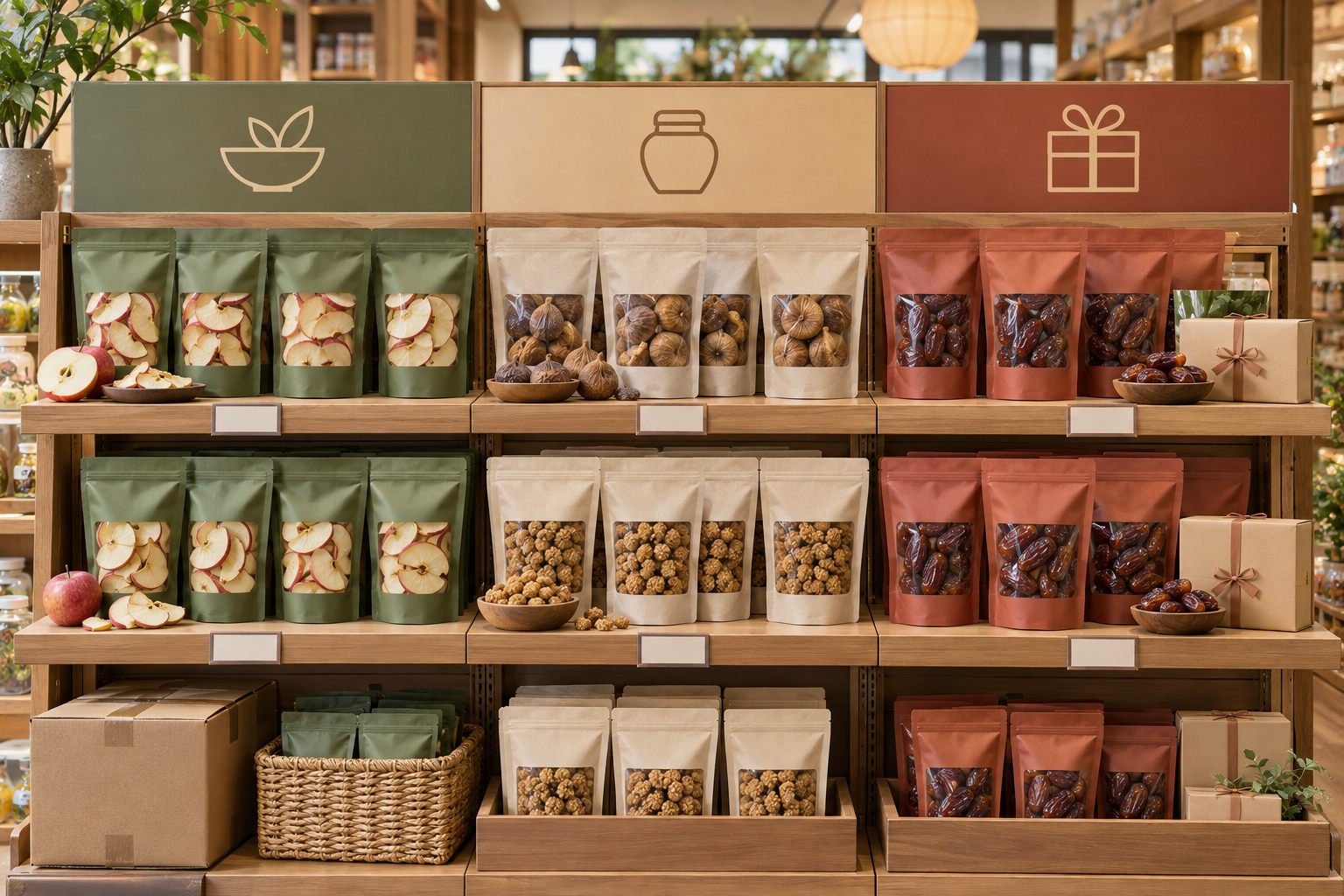
- one standard retail pouch
- one sample or trial bundle
- one gift or seasonal extension
This lets the buyer measure three different signals at once: shelf clarity, first-purchase interest, and bundle compatibility. Ching Bo Leung also works well when paired with products such as Five Finger Fig Cantonese Soup Mix or Pear & Fig Cantonese Soup Mix in a wider Cantonese soup assortment.
5. Why Ching Bo Leung works well as an entry Cantonese soup mix
One reason Ching Bo Leung is so useful is that it can educate the customer while still functioning as a real retail product. It is not only a story piece. It is a product that can actually help define the shelf.
For buyers building a new Cantonese soup section, Ching Bo Leung can serve as:
- a named hero SKU
- a category introduction product
- a bridge between traditional identity and easier-entry retail presentation
That makes it especially valuable for importers, Asian grocery buyers, and brands testing whether Cantonese soup mixes can scale beyond a very narrow customer base.
Conclusion
Ching Bo Leung is one of the most useful entry products in Cantonese soup mixes because it combines recognizable identity, balanced ingredient structure, and flexible retail positioning. For North American buyers, it is often one of the clearest products to test first when building a broader soup mix assortment.
If you are planning a Ching Bo Leung retail line for Canada or the US, browse our soup mix catalog or send an inquiry with your target market, preferred pack format, and channel type.
 Related products