For Asian grocery buyers, a good Cantonese dried goods range should be easy to understand, easy to merchandise, and easy to reorder.
The goal is not to list every possible ingredient at once. A stronger first order usually starts with a clear shelf plan: which products are for snacking, which are for soup, which are for tea or wellness use, and which can support seasonal gifting.
Start with the shopping occasion
Before choosing SKUs, decide where the product will sit in the store and why shoppers would pick it up.
| Shopping occasion | Product direction | Good starting point |
|---|---|---|
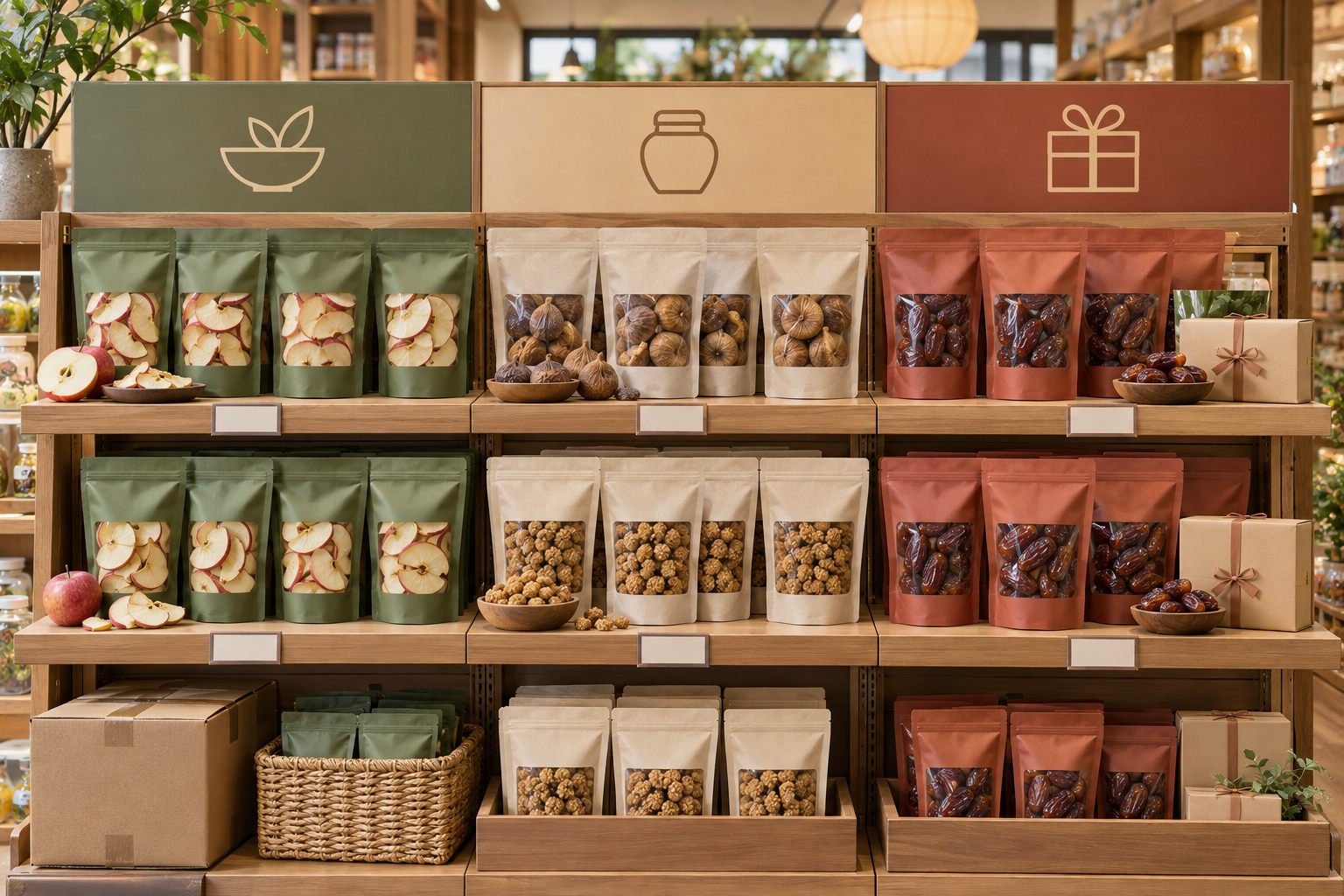
| Snack and pantry shelves | Familiar dried fruits with simple usage | Dried apple slices, dried figs, dried dates |
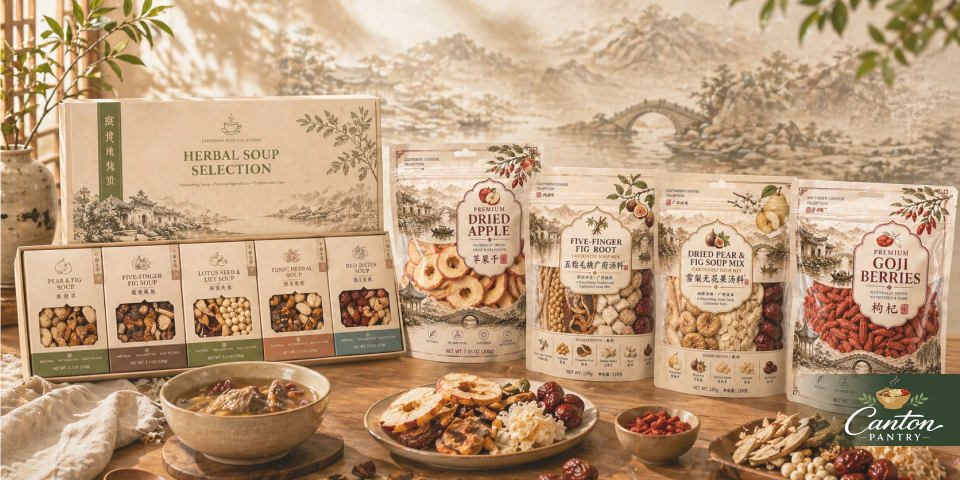
| Soup ingredient section | Products customers already connect with home cooking | Red dates, goji berries, sea coconut, soup mix packs |
| Tea and wellness displays | Ingredients with clear pairing logic | Goji berries, polygonatum slices, dried snow pear |
| Seasonal and gift displays | Better presentation and higher basket value | Soup starter sets and dried fruit gift boxes |
Choose products shoppers can understand quickly
Retail staff should be able to explain the product without a long education process. For a first assortment, buyers usually do better with products that have a clear name, visible ingredient shape, and a simple use case.
Good first choices often include:
- Red Dates (Jujube) for pantry, tea, and soup use
- Goji Berries for tea, soup, and wellness assortments
- Dried Figs for snack shelves and mixed dried fruit displays
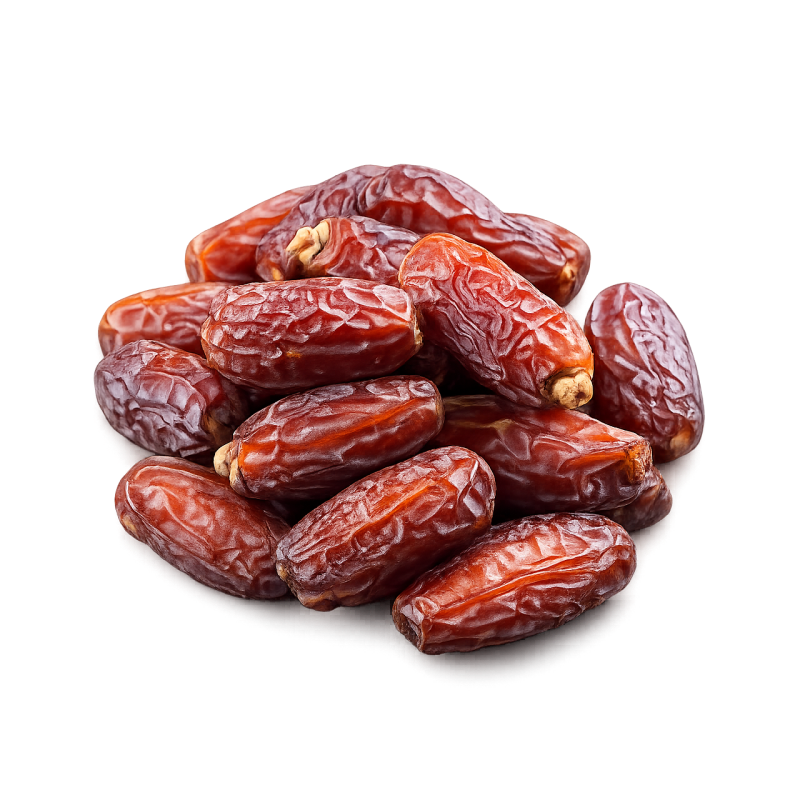
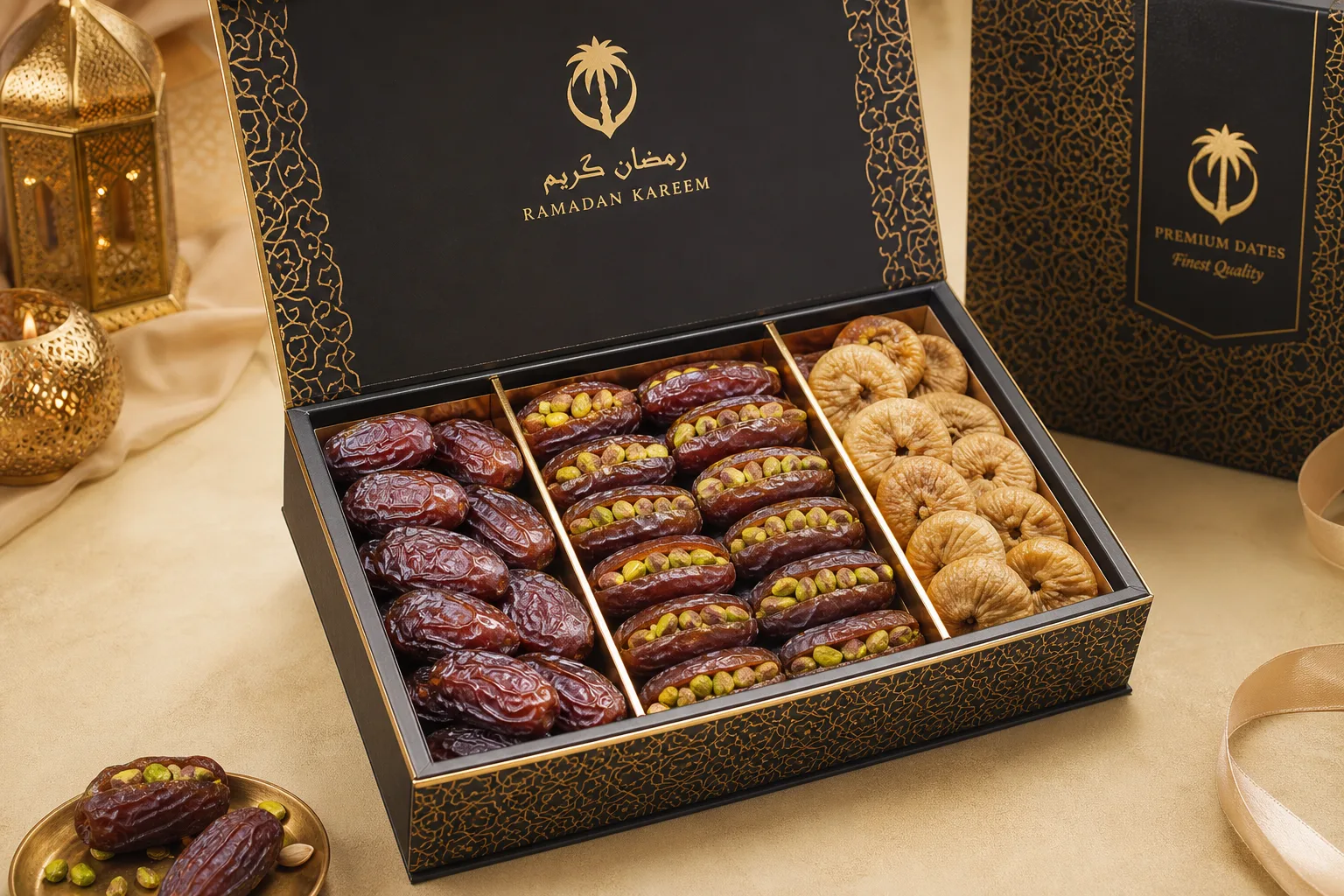
- Dried Dates for naturally sweet snack and gift-pack programs
- Sea Coconut for Cantonese soup and dessert ingredient shelves
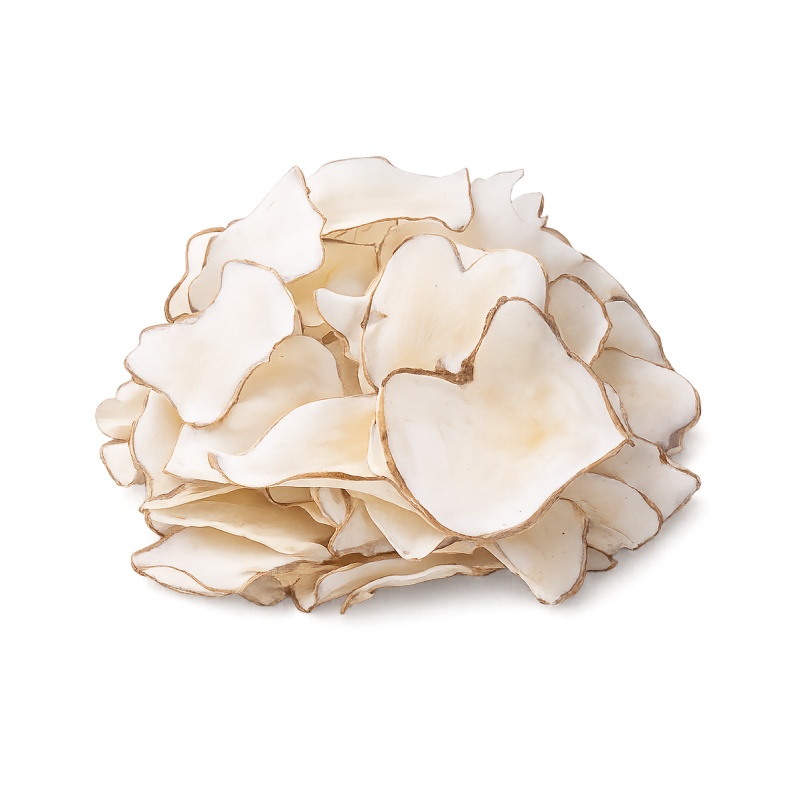
- Polygonatum Slices for food-grade botanical and soup programs
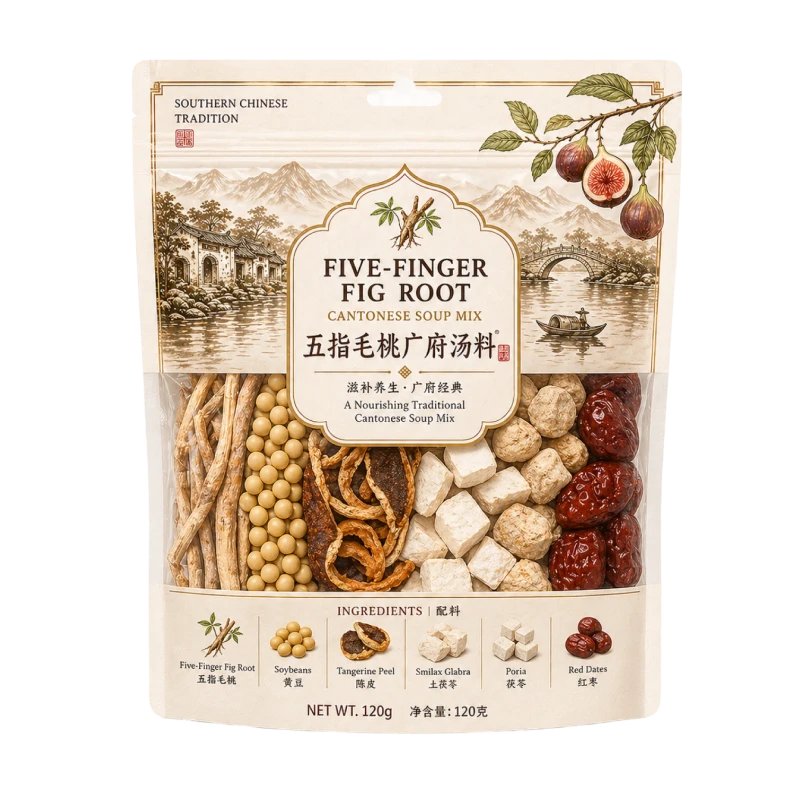
- Five Finger Fig Soup Mix when customers need a ready-to-use Cantonese soup format
Match packaging to the channel
The same ingredient can perform very differently depending on pack format. Bulk cartons may work for distributors and repackers, while smaller retail pouches are easier for grocery shelves. Gift boxes and soup sets need stronger presentation and clearer usage notes.
Before confirming an order, align these details:
- retail pack size and net weight
- carton count and shelf dimensions
- label language and barcode needs
- whether the product is sold alone, in a mixed pack, or as a gift set
- whether the first order is for trial, replenishment, or a seasonal display
Keep the first order focused
A narrow first order is often easier to manage than a wide assortment. It lets the buyer test which products customers recognize, which price points move, and which packaging formats are worth expanding.
For many stores, a balanced first assortment may include:
- one or two familiar dried fruits
- one tea or wellness ingredient
- one Cantonese soup mix
- one retail or gift-pack option for display
This gives the shelf enough variety without making replenishment too complicated.
Buyer takeaway
The best Cantonese dried goods assortment is built around usage, not just product count. Start with products shoppers understand, match the packaging to the sales channel, and use the first order to learn which SKUs deserve repeat volume.
You can browse our wholesale product catalog or send an inquiry if you want sample suggestions for your market.
 Related products