The most common first-order mistake in Cantonese dried goods is not choosing the wrong supplier. It is trying to launch too many SKUs, too many pack types, and too many ideas in one shipment.
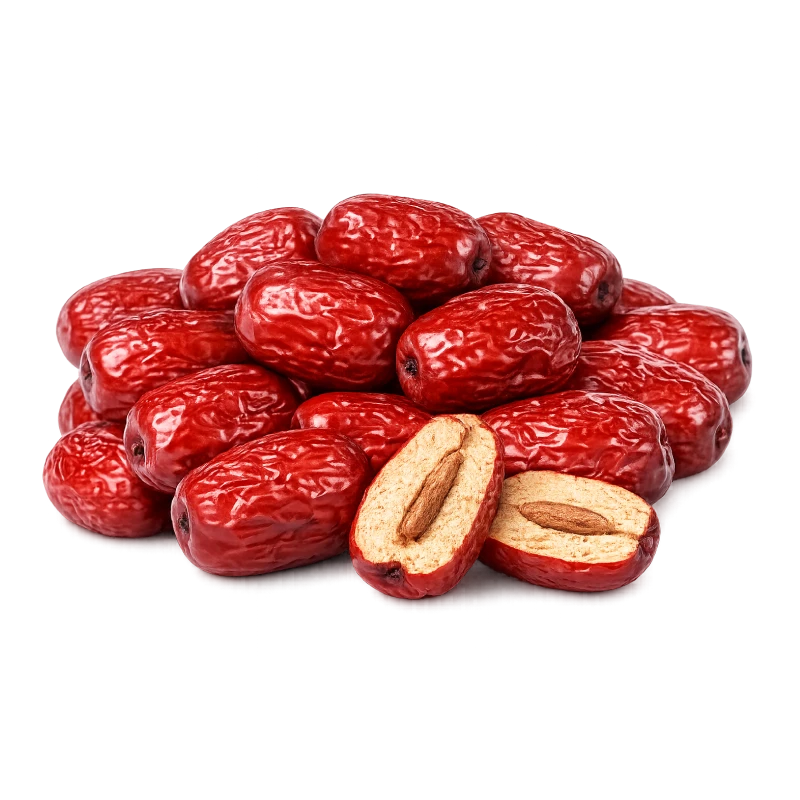
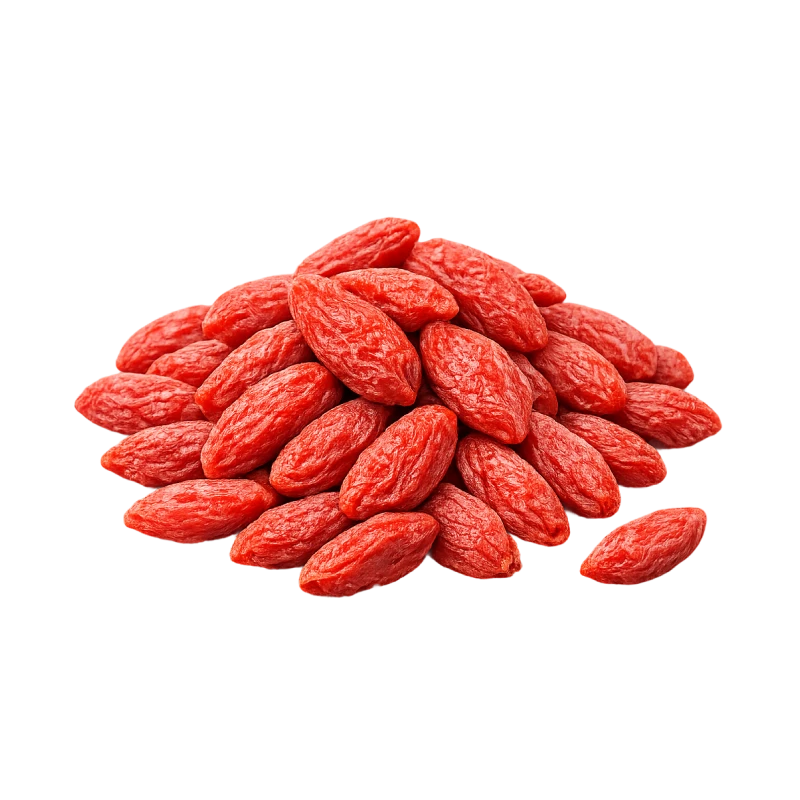
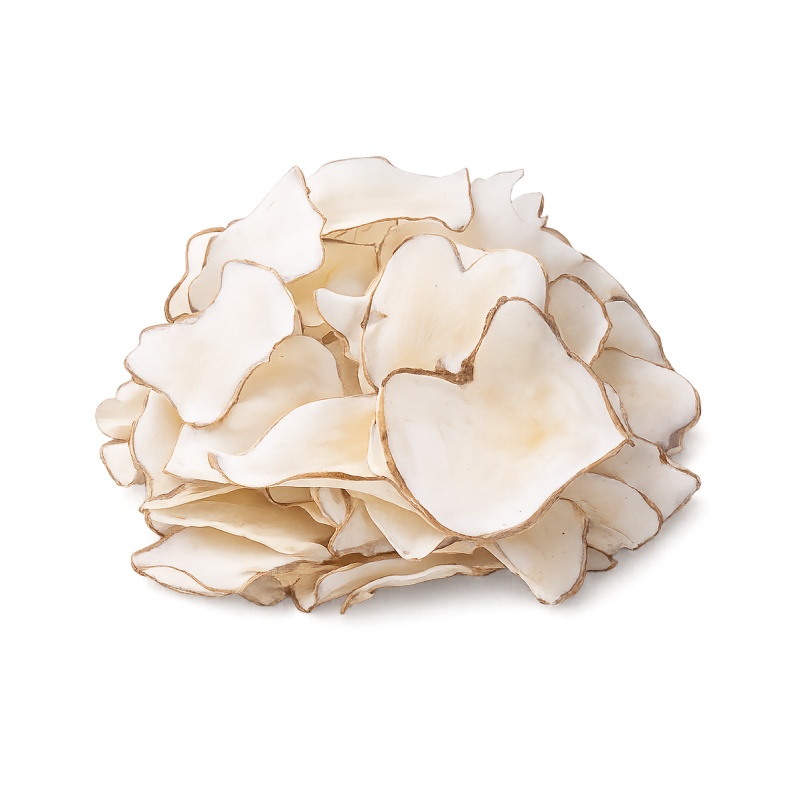
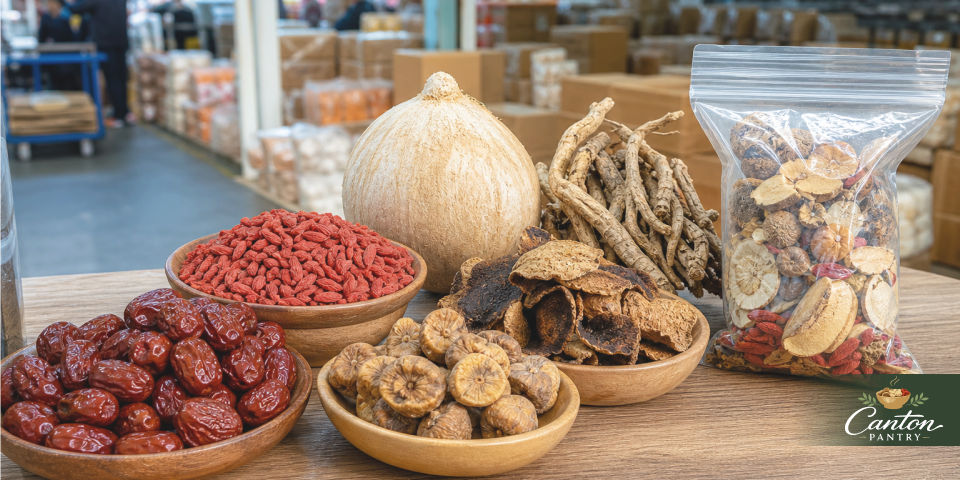
For many buyers, Guangzhou is not difficult because product options are too limited. It is difficult because the catalog is wide. There are familiar items such as Red Dates (Jujube), Goji Berries, and Dried Figs. There are also more Cantonese-specific pantry items such as Sea Coconut, Dried Tangerine Peel, and Five Finger Fig Root. Then there are ready-combination products such as Five Finger Fig Soup Mix and Cantonese Soup Starter Set.
That variety is useful, but it also creates a first-order trap. Buyers often assume that a broader starting range is safer. In practice, the opposite is usually true. A smaller, clearer assortment is easier to price, easier to merchandise, easier to restock, and easier to learn from.
1. The goal of the first order is not to launch everything
A first wholesale shipment should answer three practical questions:
- which products shoppers understand fastest
- which pack format works best in your channel
- which SKUs are most likely to reorder
That means the first order is a market test with commercial purpose, not a full catalog rollout. If the first shipment includes too many products, too many weights, and too many packaging directions, the sales signal becomes noisy. Teams may see activity, but they cannot easily tell what actually deserves a second order.
This matters even more for buyers entering Cantonese dried goods for the first time. Unlike a narrow single-SKU category, this segment usually combines snack fruit, soup ingredients, wellness pantry items, and gift-ready formats. The clearer the first structure is, the easier it becomes to expand later with confidence.
2. A stronger first assortment usually includes three SKU roles
One of the simplest ways to build a usable first order is to separate products by role instead of choosing items one by one without structure.
Role 1: Repeat-purchase basics
These are the products that shoppers already recognize and store teams already know how to position. They help create the base of the program.
Good examples include:
These SKUs are useful because they are easier to explain, easier to trial, and often easier to reorder. For a first order, they lower risk.
Role 2: Cantonese specialty anchors
These are the products that make the assortment feel more rooted in Cantonese soup and dried-goods culture instead of looking like a generic dried-fruit shelf.
Good examples include:
These products do not always move the same way as familiar dried fruits, but they help define the shelf identity and give buyers a stronger category story.
Role 3: Reduced-decision combinations
Many end customers do not want to assemble ingredients one by one. Combination packs help by turning multiple ingredients into one clearer purchase decision.
Examples include:
- Five Finger Fig Soup Mix
- Pear Fig Soup Mix
- Ching Bo Leung Soup Mix
- Cantonese Soup Starter Set
- Dried Fruit Gift Box
These products are especially useful in channels where presentation, gifting, or ease of use matter more than ingredient-level flexibility.
3. What a more balanced first order can look like
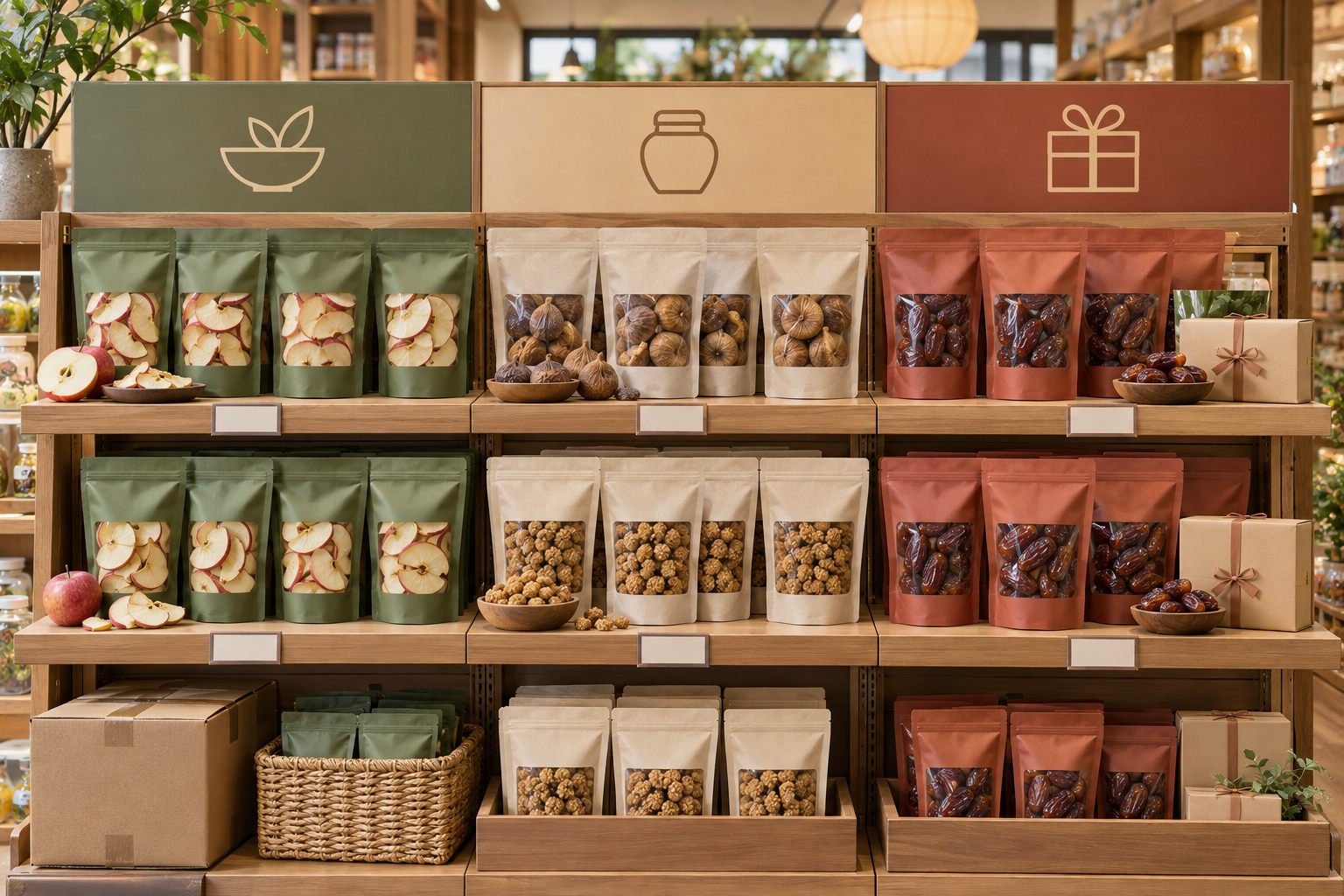
For many retail and Asian grocery buyers, a good starting structure is:
- 2 to 3 repeat-purchase basics
- 2 to 3 Cantonese specialty anchors
- 1 to 2 combination or giftable items
That means the first order does not need fifteen different SKUs to feel complete. In many cases, six to eight well-chosen products are more useful than a crowded launch.
A practical example might look like this:
- red dates
- goji berries
- dried figs
- sea coconut
- dried tangerine peel
- five finger fig root
- one soup mix
- one starter set or gift box
This kind of assortment works because it covers fast-understood products, category-defining products, and easier-entry packaged combinations in one program.
4. Channel matters more than buyers sometimes expect
The same product mix will not work equally well across every channel.
Asian grocery stores
These stores usually benefit from a higher share of familiar products first. Basics help create steady movement, while a smaller number of Cantonese specialties can build differentiation without overwhelming new shoppers.
Wellness, tea, and pantry-led retail
These channels often support a higher share of soup ingredients and food-grade botanicals. Products such as sea coconut, lily bulb, lotus seeds, and polygonatum may deserve more shelf space here than they would in a general snack-driven environment.
Gift and seasonal channels
These channels usually reward presentation and convenience. Soup sets, dried fruit boxes, and mixed pantry combinations may perform better than a shelf made entirely of single ingredients.
5. Four first-order mistakes that slow the whole project down
1. Too many SKUs at once
More items do not automatically create a better test. They often create slower inventory and weaker decisions.
2. Too many pack sizes in the same order
If the same product is launched across too many weights or formats at the start, purchasing, labeling, carton planning, and replenishment all become harder to manage.
3. Heavy custom packaging too early
If demand is not proven yet, starting with full custom packaging across many SKUs can add cost and complexity before the shelf logic is clear.
4. No distinction between reorder drivers and display drivers
Some products are there to build repeat sales. Others are there to create category identity or gifting value. A better first order knows the difference.
6. What buyers should prepare before sending inquiries
Suppliers can give more useful advice when buyers explain the commercial context clearly. Before requesting a quotation, it helps to define:
- target market
- channel type
- preferred format: bulk, retail-ready, or giftable
- expected number of starting SKUs
- which products are meant for repeat purchase versus testing
- label language needs
- whether samples are required before bulk confirmation
The clearer this information is, the easier it becomes to build a first shipment that is not only purchasable, but actually launchable.
Conclusion
The best first wholesale assortment of Cantonese dried goods is usually not the widest one. It is the clearest one.
Start with products that shoppers already understand. Add a smaller layer of Cantonese specialty items that give the shelf real identity. Then use combinations or giftable packs to reduce decision friction. That structure gives buyers a stronger chance to learn from the first shipment and build the second one with much more confidence.
If you are planning your first Cantonese dried goods order from Guangzhou, browse our product catalog or send an inquiry with your market, pack format, and first-order goals.
 Related products