For wholesale buyers, sourcing dried goods in Guangzhou is not simply a matter of finding the lowest price. The practical job is to connect the right product, sample standard, pack format, carton plan, destination market, and export documents before the larger order moves forward.
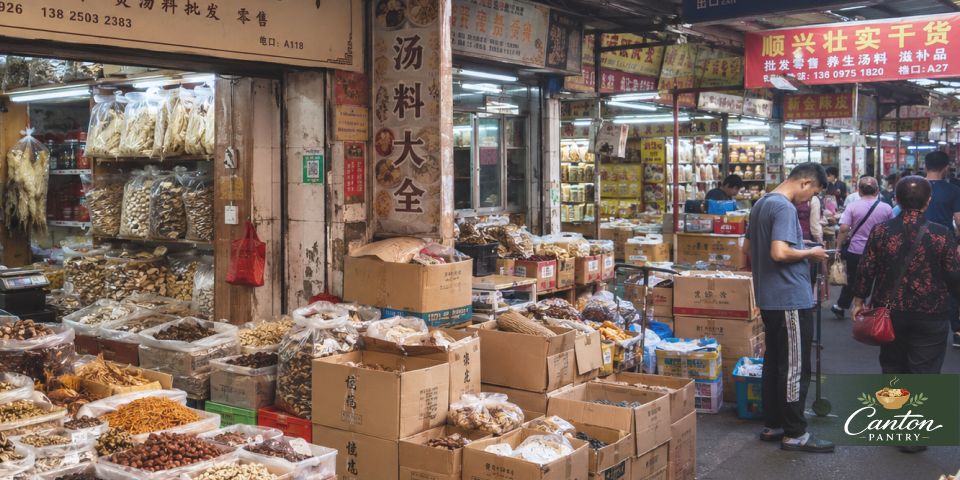
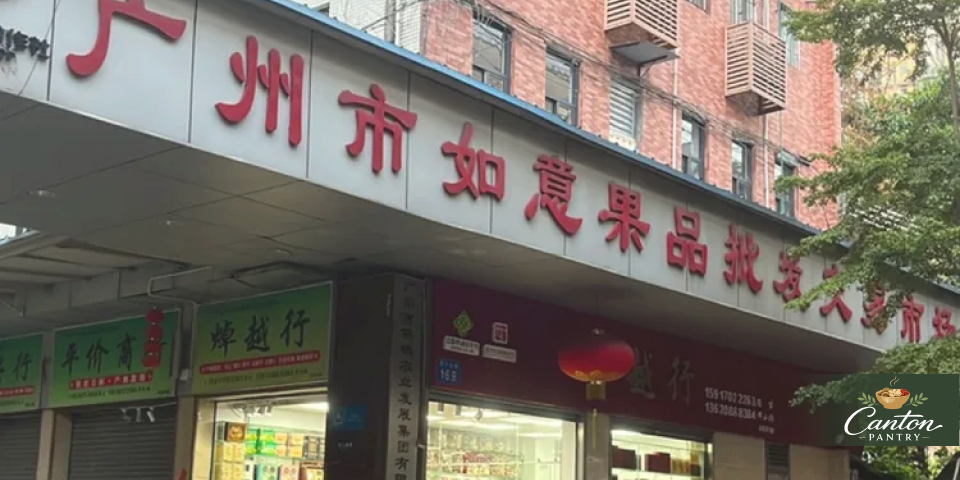
Ruyifang is an important dried-fruit and dried-goods market area in Guangzhou's Liwan District. A Guangzhou government article describes Ruyifang as a former Pearl River sandbank that gradually developed into a street market and remains an important dried-fruit wholesale hub today. Read the Guangzhou government background.
For an overseas importer, however, a market visit is only the first step. Market stock is not automatically export-ready. You still need to confirm the product, sample, packaging, label, carton, documents, and destination requirements.
1. What can buyers source around Ruyifang?
Ruyifang and the surrounding wholesale market area are useful for comparing dried fruits, Cantonese soup ingredients, food-grade pantry botanicals, nuts, preserved snacks, retail packs, and gift formats. Recent Liwan District information about a Ruyifang Cantonese soup-ingredient event also lists soup ingredients, seafood, tea, nuts, preserved snacks, and gift boxes as part of the local trading and consumer mix. See the Liwan District event notice.
Typical sourcing directions include:
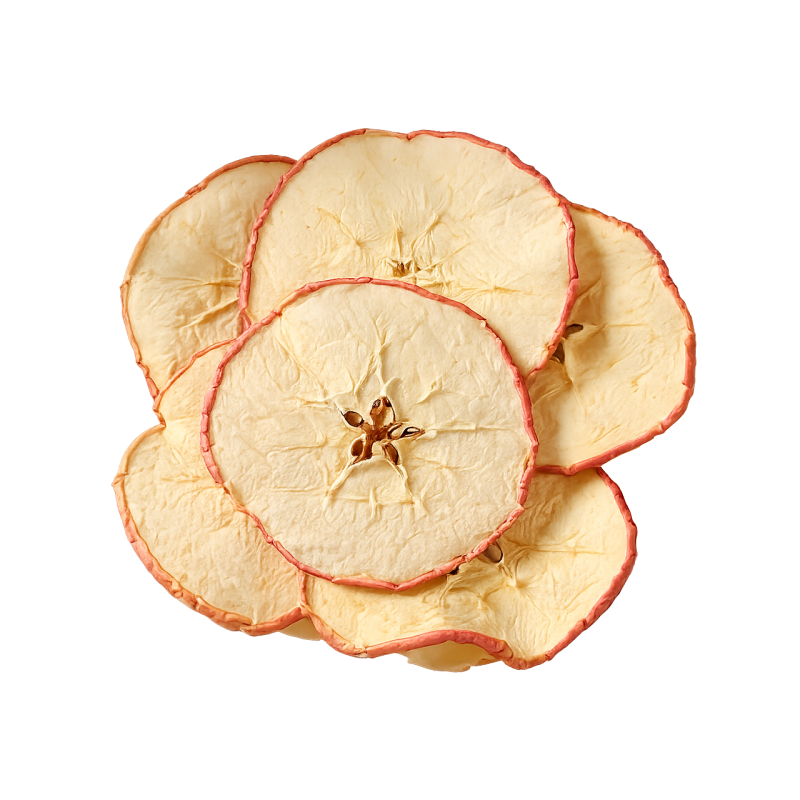
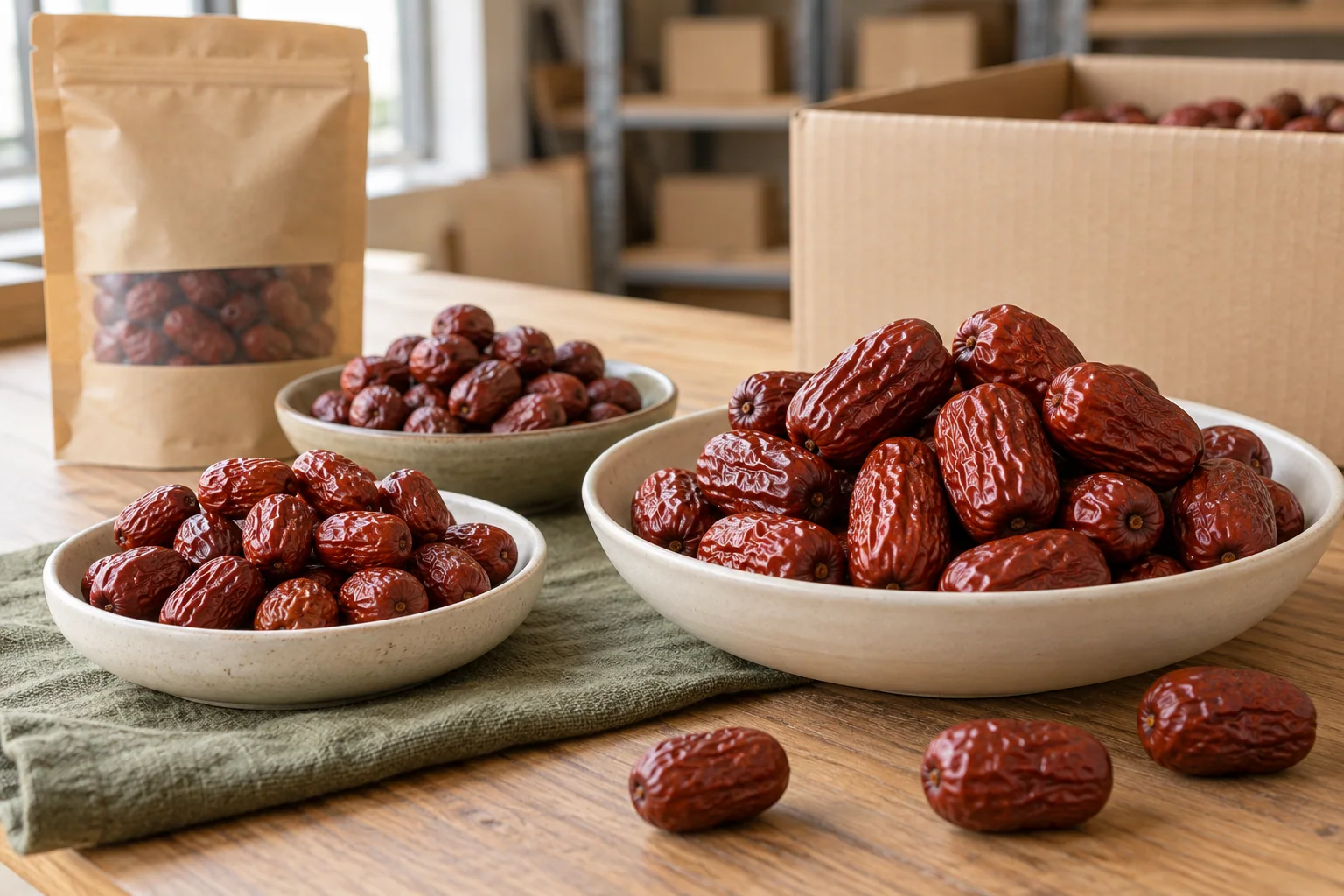
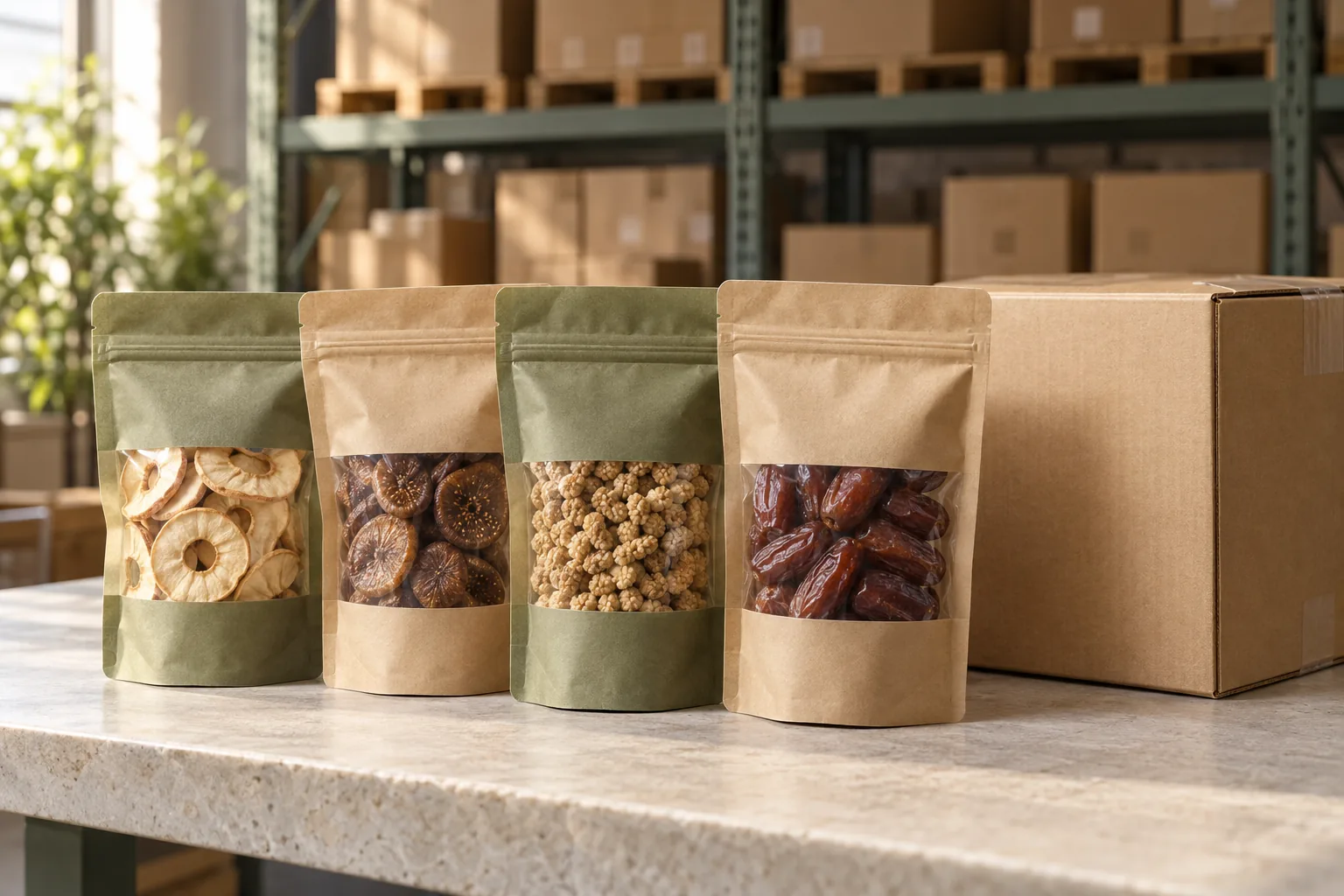
- dried fruits such as Dried Apple Slices, dates, dried figs, and mulberries
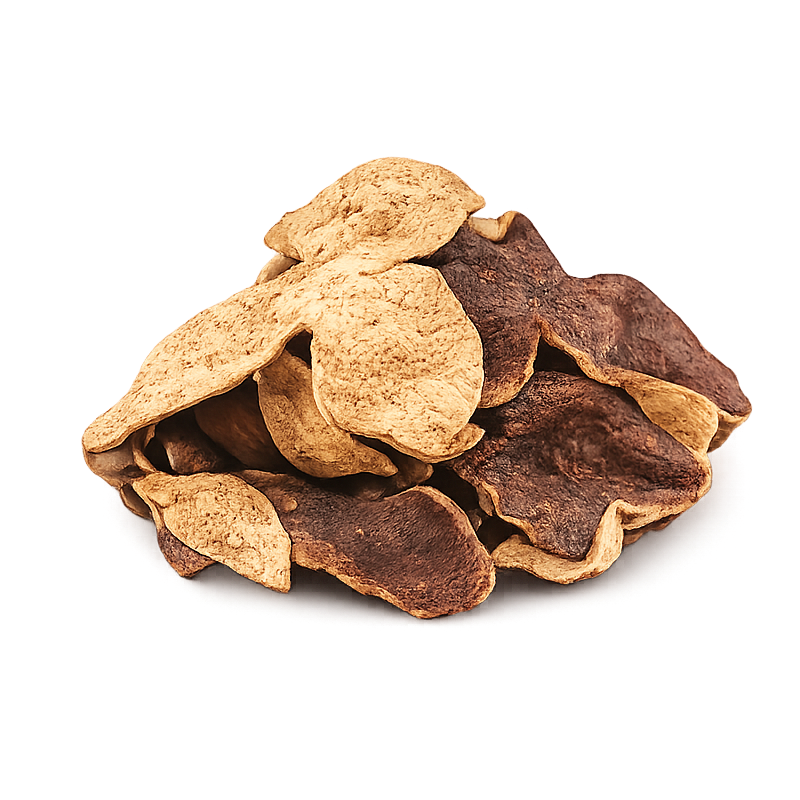
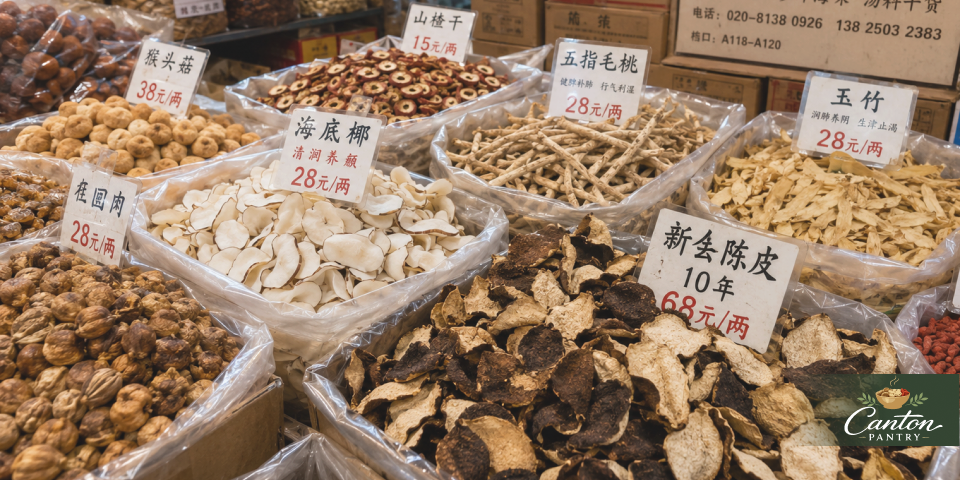
- Cantonese soup ingredients such as Dried Tangerine Peel, Sea Coconut, and Five Finger Fig Root
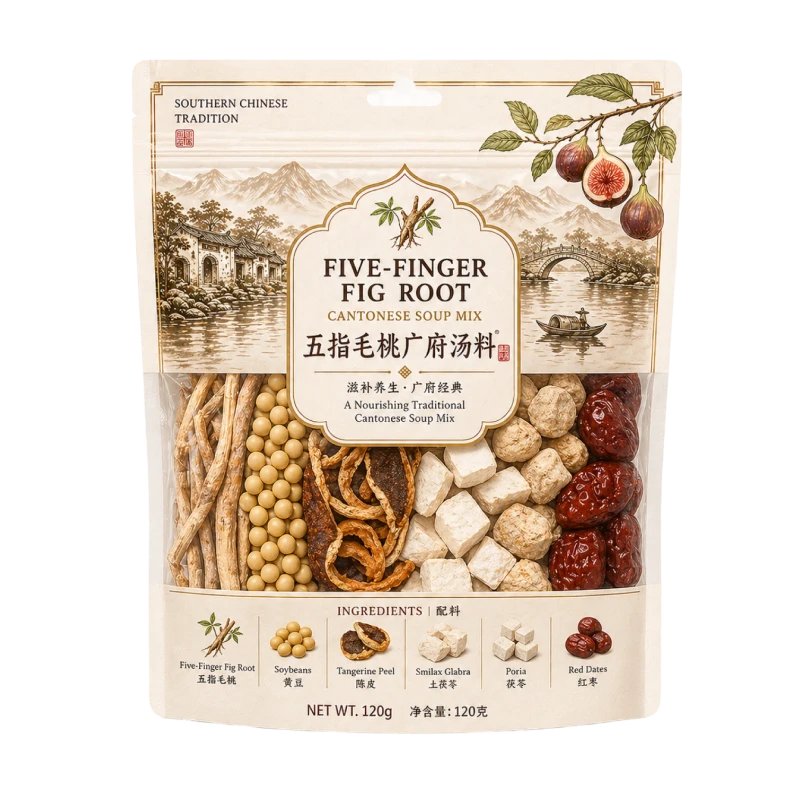
- ready-to-sell soup mixes such as Five Finger Fig Soup Mix
- bulk cartons for importers, repackers, food-service buyers, and distributors
- retail pouches, soup packs, seasonal gift boxes, and private-label formats
Ruyifang is a market area rather than one single shop or one universal MOQ. Before visiting, confirm the exact market name, entrance, supplier contact, and whether the shop handles wholesale, retail, sampling, or export coordination.
2. Prepare a sourcing brief before asking for a price
“How much is it?” is not enough information for a reliable wholesale quote. Prepare a short brief with the following fields:
| Sourcing field | What to write down |
|---|---|
| Product | Chinese name, English name, use case, and target channel |
| Specification | Grade, size, cut, whole or sliced, single ingredient or mix |
| Pack format | Bulk carton, retail pouch, soup pack, gift box, or private label |
| Quantity | Estimated units, cartons, and whether mixed SKUs are needed |
| Destination | Country, buyer type, importer, and sales channel |
| Label | Required languages, barcode, importer information, and artwork status |
| Timing | Sample date, packaging date, production window, and target shipment date |
| Shipping | Pickup, consolidation, sea freight, air freight, or another plan |
This brief makes supplier conversations faster and prevents a first order from turning into a long list of products without a clear sales purpose.
3. How to check products at the market
Compare samples before comparing prices
The same product name can cover several grades, sizes, processing methods, and packaging formats. Keep a sample record and confirm whether the sample comes from current stock or is only a display sample.
Check:
- visual consistency across the bag or carton
- aroma, dryness, texture, and appearance for the intended channel
- broken pieces, dust, stems, or uneven sizing where relevant
- whether the product can be repeated at the same or an agreed grade
- whether the supplier can explain the price difference between grades
Confirm the actual product identity
Local market names and English retail names do not always match. Confirm the Chinese name, English name, ingredient list, single-ingredient or mixed-product status, and intended use before creating a label or product listing.
Ask about repeat orders
Before confirming a larger order, ask:
- Is the sample from current stock?
- Can the same grade be repeated?
- What are the standard carton weight and outer-carton dimensions?
- Can the supplier support neutral packaging or private label?
- Can different dried goods be consolidated?
- How are quality issues handled after arrival?
4. The specification sheet to send to a supplier
Use the following table as a quotation checklist. The values should be completed from the actual product and quotation, not guessed from a market conversation.
| Field | What needs to be confirmed |
|---|---|
| Product name | Chinese name, English name, and declaration name if needed |
| Ingredients | Single product or blend; full ingredient list for mixed packs |
| Origin | Origin or supply source according to available records |
| Grade / size | Grade, size, cut, whole or sliced, and allowed variation |
| Net weight | Net weight per pack and total net weight per carton |
| Packaging | Inner bag, retail pouch, soup pack, gift box, and food-contact material |
| Carton | Units per carton, net weight, gross weight, and carton dimensions |
| MOQ | Product MOQ, packaging MOQ, printing MOQ, and mixed-SKU rules |
| Shelf life | Shelf life, production lot, date format, and storage conditions |
| Label | Language, ingredients, net weight, dates, storage, barcode, and importer information |
| Sample | Whether the sample matches the planned bulk specification |
| Lead time | Sample, artwork, packing, production, and shipment preparation time |
Do not write “A+,” “premium,” a fixed origin, a fixed carton size, or a fixed shipping time into the website unless the supplier has verified it for that product and order.
5. From market goods to export-ready packaging
Choose the sales format first
#### Bulk cartons
Suitable for importers, distributors, repackers, food-service buyers, and larger retail programs. Confirm the inner bag, carton strength, carton dimensions, pallet plan, and moisture protection according to the product and transport route.
#### Retail pouches
Suitable for Asian grocery stores, specialty food shops, and e-commerce. Confirm net weight, ingredients, dates, storage, barcode, label language, and the space available for required information.
#### Cantonese soup packs
For a soup mix, confirm every ingredient, the weight of each component, the total pack weight, cooking instructions, storage, and the language used in the destination market.
#### Gift boxes
For mixed gift formats, confirm the number of inner SKUs, inner protection, outer-box dimensions, carton count, and transport resistance before finalizing the artwork.
Confirm the label before printing
Export food labels should not be copied from a domestic label without review. The Customs export-food guidance states that exported food should meet the standards of the importing country or region, or the requirements of the contract; it also lists documents such as the contract, invoice, packing list, and factory conformity documents in the export inspection process. Review the Customs export-food guidance.
The exact label fields vary by destination and product category, but the pre-production checklist normally includes:
- product name and real product attribute
- ingredients or ingredient list
- net content
- production date, lot, or best-before information
- storage conditions
- producer, packer, or responsible-party information
- origin information where required
- importer information where required
- barcode and sales language
China's market-regulation rules also emphasize that food identification should be true, accurate, clear, and not make disease-treatment or unsupported health claims. See the State Administration for Market Regulation rules. Treat the sources as a compliance starting point, not a substitute for destination-market review.

6. Common sourcing mistakes
Only asking for the lowest product price
A lower product price may come with a higher packaging cost, higher MOQ, or higher local transport cost. Compare the complete order cost.
Confirming the sample but not the bulk standard
Keep the sample number, grade, packaging, and allowed variation in the purchase record. A good sample does not automatically guarantee identical bulk goods.
Leaving packaging until the end
If the label, carton, and pack format are decided after the product is packed, the buyer may need another sample or another print run, extending the lead time.
Treating market stock as export-ready stock
Market availability does not automatically mean that the product has destination-market labeling, stable batch records, or export documents. Confirm these items with the supplier and the importer.
Using unsupported claims
Do not put “treats,” “prevents,” “boosts immunity,” unverified grades, or unverified origins on the packaging or product page.
7. A lower-risk first order
The first order should test the sourcing model rather than launch every possible SKU. A practical starting structure can be:
- two or three familiar dried-fruit products
- one or two Cantonese soup or pantry products
- one standard retail pack format
- one bulk or distributor format if the channel needs it
- samples of additional products for the next reorder discussion
For a first program, buyers can compare Dried Apple Slices, Red Dates, Five Finger Fig Soup Mix, and other products from the wholesale product catalog. The right mix depends on the target channel, expected price point, label requirements, and repeat-order plan.
Frequently asked questions
Is Ruyifang for retail shopping or wholesale sourcing?
It is primarily useful for professional sourcing, but individual shops set their own minimums and retail policies. Confirm quantity, sample, and packing rules with the specific supplier.
Can I mix several SKUs in one order?
Some selected products can be consolidated, but each item may have its own MOQ, packaging, and carton rules. Ask for a mixed-SKU quotation instead of assuming all products can be combined.
Can market goods be exported directly?
Not automatically. Export preparation still requires product and batch confirmation, packaging and label review, destination-market checks, and the required commercial and customs documents.
What should I send when requesting a quote?
Send the product list, expected quantity, pack format, destination country, label language, target shipment date, and whether you need samples, barcode support, or private-label packaging.
When should I start custom packaging?
Start with standard packaging or samples if the product mix and sales channel are not yet proven. Move to custom pouches, gift boxes, or printed cartons after the SKU, price, and label direction are confirmed.
Conclusion
The value of sourcing from Guangzhou's Ruyifang area is not just finding products. It is turning market access into a repeatable supply plan: product selection, sample approval, specification control, packaging, labels, cartons, documents, and shipment coordination.
If you are planning a Cantonese dried-goods, soup-mix, retail-pack, or export order, browse the wholesale product catalog, read our first-order assortment guide, or send a wholesale inquiry with your target market, pack format, and estimated quantity.
 Related products