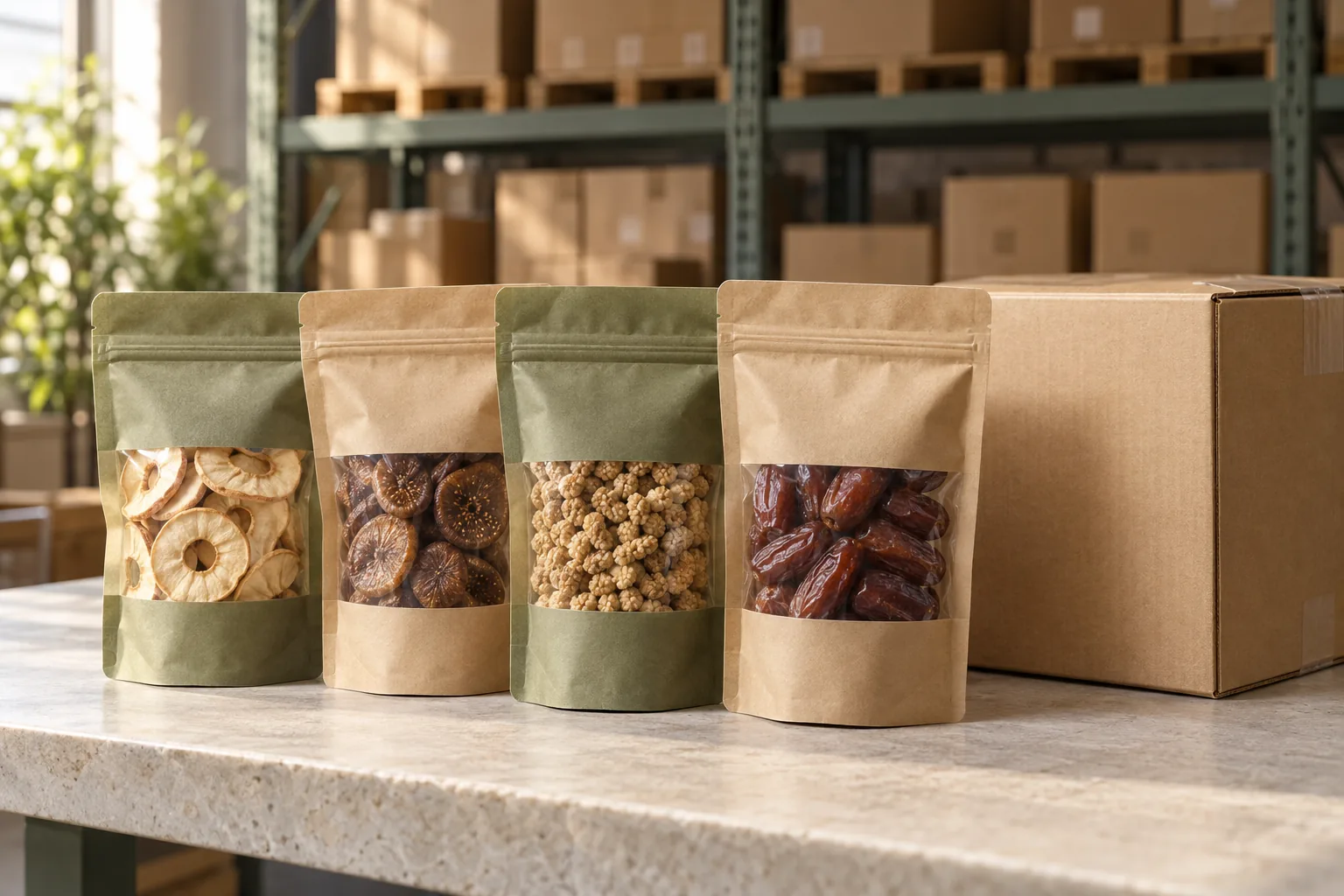

A first wholesale dried fruit order does not need to include ten untested products. For many U.S. retailers, a focused three-SKU assortment can make the first test easier to explain, easier to pack, and easier to measure. Dried apple slices, dried figs, and dried mulberries can play different roles across grocery, snack, e-commerce, and specialty food channels.
This guide is for importers, Asian grocery buyers, specialty food retailers, and private-label teams planning an initial assortment. It is a buying framework, not customs, tax, or legal advice. Confirm final product and label requirements with the responsible importer, customs broker, and local compliance team before production.
1. Start with the channel you want to test
The right first assortment depends on where the product will be sold. A pouch that works on an Asian grocery snack shelf may not be the best format for an online gift set or a specialty food store.
| U.S. sales channel | What the first assortment should prioritize |
|---|---|
| Asian grocery | Familiar names, practical weights, clear preparation or snack use, and steady replenishment |
| Independent specialty food store | Strong visual presentation, concise product story, and a manageable retail price |
| E-commerce | Durable packaging, easy-to-photograph formats, shipping-friendly cartons, and clear product variations |
| Mixed dried fruit program | Similar pack sizes, compatible textures, balanced color, and a simple ingredient story |
| Private-label test | Approved samples, artwork control, barcode space, packaging MOQ, and repeatable production |
Before asking for a quote, state the intended channel, target retail price range, pack weight, first-order quantity, and whether the goods will be sold as single-SKU pouches or as a mixed assortment.
2. Give each SKU a clear job
A three-SKU plan works best when each product has a different role. Do not add a product only because the price looks attractive; add it because it helps the assortment reach a different shopper or use case.
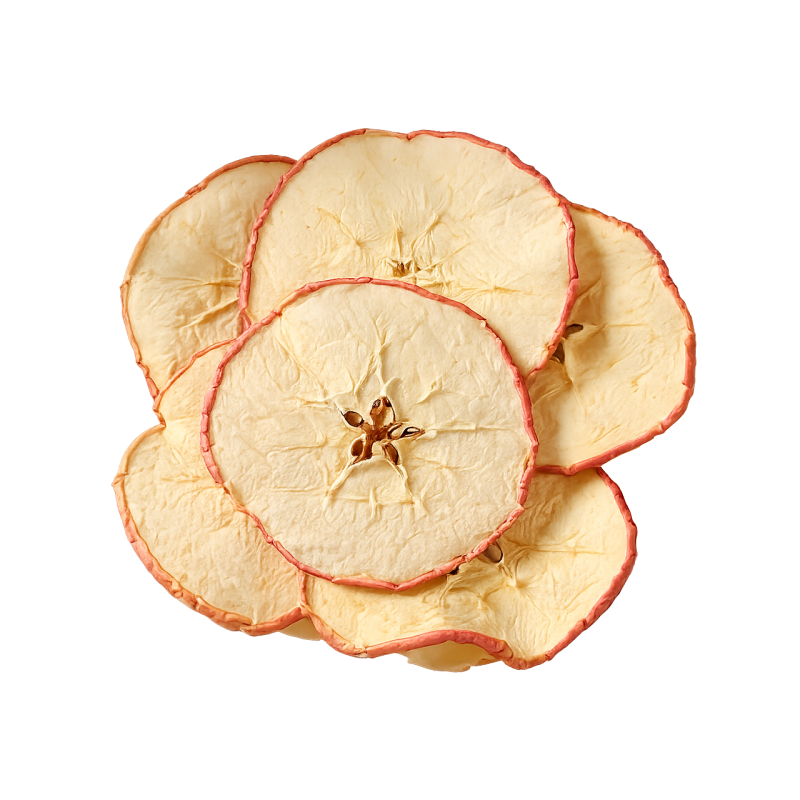
Dried apple slices: the easy-entry snack SKU
Dried apple slices can be the most accessible product in the test set. The slice shape is easy to show in product photography, and it can be positioned for snack shelves, lunchbox occasions, mixed fruit pouches, or family-size resealable bags. The buying brief should still define slice size, thickness, texture, browning tolerance, breakage, and moisture protection.
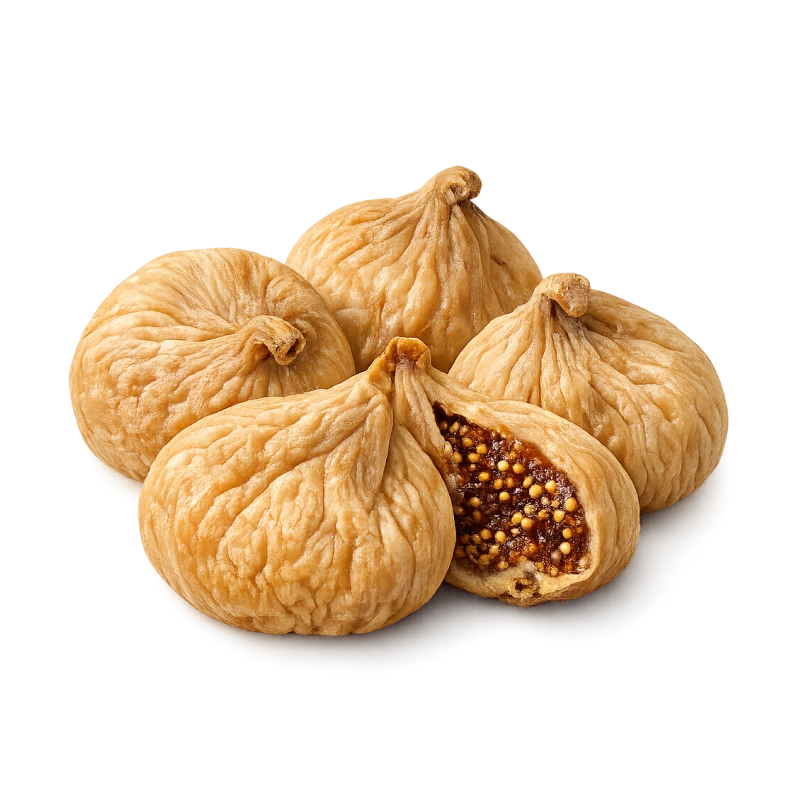
Dried figs: the familiar dried-fruit anchor
Dried figs can give the assortment a more traditional dried-fruit reference point. They can support grocery shelves, pantry use, mixed gift packs, and shoppers looking for a fruit with a distinct shape and texture. Confirm size range, softness, cut or whole format, appearance, and the pack format that best protects the fruit.
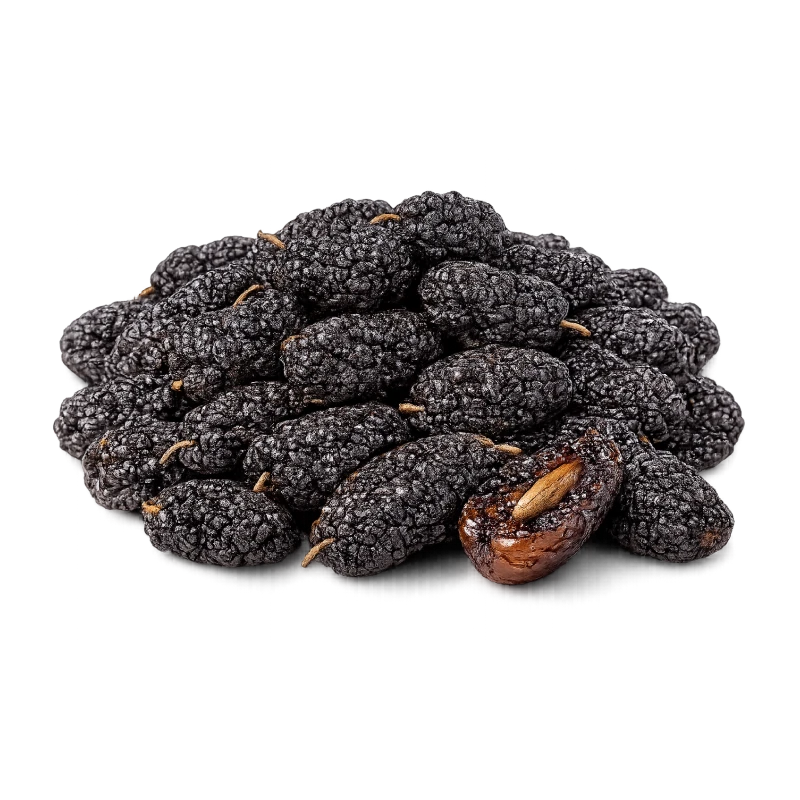
Dried mulberries: the visual and premium accent
Dried mulberries can add a different color, texture, and perceived specialty angle. They may work as a standalone snack, a topping-oriented product, or part of a premium mixed-fruit set. Confirm the acceptable size range, cleanliness, texture, color consistency, and whether the product will be sold in a small trial pouch or a larger family format.
The three products do not have to use the same weight. The better approach is to make the pack sizes understandable and compare their landed cost and shelf role rather than forcing every SKU into one identical format.
3. Use two pack sizes for the first test
For an initial U.S. retail test, two pack sizes are often easier to measure than a long list of weights:
| Pack direction | Suggested role | What to watch |
|---|---|---|
| 150g–250g | Trial, snack, specialty shelf, and e-commerce entry point | Retail price, first-purchase conversion, and repeat interest |
| 400g–500g | Family use, pantry, and higher-value replenishment | Sell-through speed, storage, and freight per kilogram |
Use the smaller pack to learn whether shoppers understand the product and price. Use the larger pack only where the channel can support repeat use or family consumption. A large bag that sells slowly can tie up more cash than a smaller bag with a higher unit cost.
For private-label or custom printed packs, approve a physical sample before committing to a large packaging run. A standard pouch with a controlled label may be a lower-risk first step while the product mix is still being tested.
4. Build the first order as a testable matrix
Instead of ordering one large quantity of each SKU, create a simple matrix:
- Three products: apple slices, figs, and mulberries.
- Two pack sizes: a trial size and a family or replenishment size.
- One primary channel: grocery, specialty retail, or e-commerce.
- One packaging path: standard pouch first, or approved private label if demand is already known.
This creates enough variation to learn without turning the first order into a catalogue. Record units ordered, cartons, landed cost per unit, opening stock, weekly sell-through, damaged units, customer questions, and reorder timing.
If the buyer wants a simpler launch, start with one pack size and three products. If the buyer already has a proven channel, add the second pack size only to the strongest SKU first.
5. Compare the assortment by landed cost, not factory price
The cheapest product quote may not be the cheapest product to sell. Compare each SKU using the same model:
Landed cost per sellable unit = product + inner packaging + retail pack + outer carton + freight and insurance + destination allowance, divided by sellable units
Include packaging setup, labels, barcode work, samples, inspection, consolidation, local handling, and an allowance for breakage or quality sorting. A product with a higher unit price may still produce a better retail result if it has stronger carton efficiency, lower breakage, or a more attractive retail price.
For the first order, ask the supplier to quote each SKU separately and also provide a mixed-carton or mixed-pallet option when available. This helps the buyer compare a focused trial with a larger replenishment plan.
6. Match the assortment to the U.S. retail story
The assortment should be easy for a shopper and a store associate to understand. Keep the first product story factual and specific:
- Apple slices: a simple snack and entry product.
- Figs: a familiar dried-fruit staple with a distinct texture.
- Mulberries: a specialty fruit that adds color and variety.
Avoid making broad health promises unless the importer and compliance team have approved the exact wording for the destination market. Product pages, shelf cards, and packaging should focus on the product name, ingredients, format, weight, storage, and practical use.
7. Prepare the U.S. import and replenishment brief
Before production, send the supplier one controlled brief with the target state or distribution area, channel, product list, pack size, label language, importer details, expected quantity, destination port or warehouse, and target launch window. The supplier can help organize samples, product data, packaging files, carton dimensions, and export documents, but the importer should verify the final requirements with the broker or compliance professional.
Keep the approved sample, specification, label file, carton plan, packing list, shipping basis, and contact information together. When the second order is placed, compare the new sample and arrival condition against the original reference instead of relying on memory.
8. What to measure after the first shipment
The purpose of a three-SKU launch is learning, not just moving cartons. Track:
- Inquiry-to-order conversion by product.
- Sell-through by pack size and channel.
- Damage, breakage, and storage issues on arrival.
- Customer questions that reveal unclear naming or usage.
- Gross margin after packaging and destination costs.
- Reorder timing and the SKU that earns the next purchase.
If one product attracts attention but does not convert, review the pack size, photos, product explanation, and price before removing it. If one product sells quickly, confirm that the same specification and packaging can be repeated before expanding the order.
Frequently asked questions
Why start with apple slices, figs, and mulberries?
They give the first assortment three different roles: an approachable snack, a familiar dried-fruit anchor, and a more distinctive specialty accent. The exact mix can change by channel and buyer profile.
Should all three products use the same retail weight?
Not necessarily. Use the pack size that makes sense for each product and channel, then compare retail price, landed cost, and sell-through rather than forcing identical weights.
Is a private-label pouch necessary for the first order?
Not always. A standard pouch with a controlled label can reduce packaging risk while the buyer tests demand. Custom printing becomes easier to justify after the SKU, weight, and reorder signal are clearer.
How many cartons should a U.S. retailer order?
There is no universal carton quantity. Request a scenario for a small test, a regular replenishment, and a larger order, then compare cash required, landed cost, inventory months, and mixed-carton flexibility.
How can I request a sample assortment?
Open the dried fruit catalog or send a wholesale inquiry with your channel, destination, preferred pack sizes, and estimated first-order quantity.
Conclusion
A focused first assortment is easier to explain, test, and improve than a long list of unproven SKUs. Use apple slices, figs, and mulberries as three distinct roles, choose pack sizes around the channel, calculate landed cost by sellable unit, and let sell-through and reorder data determine what expands next.
For product specifications and sample planning, browse the dried fruit catalog or send a wholesale inquiry.
 Related products