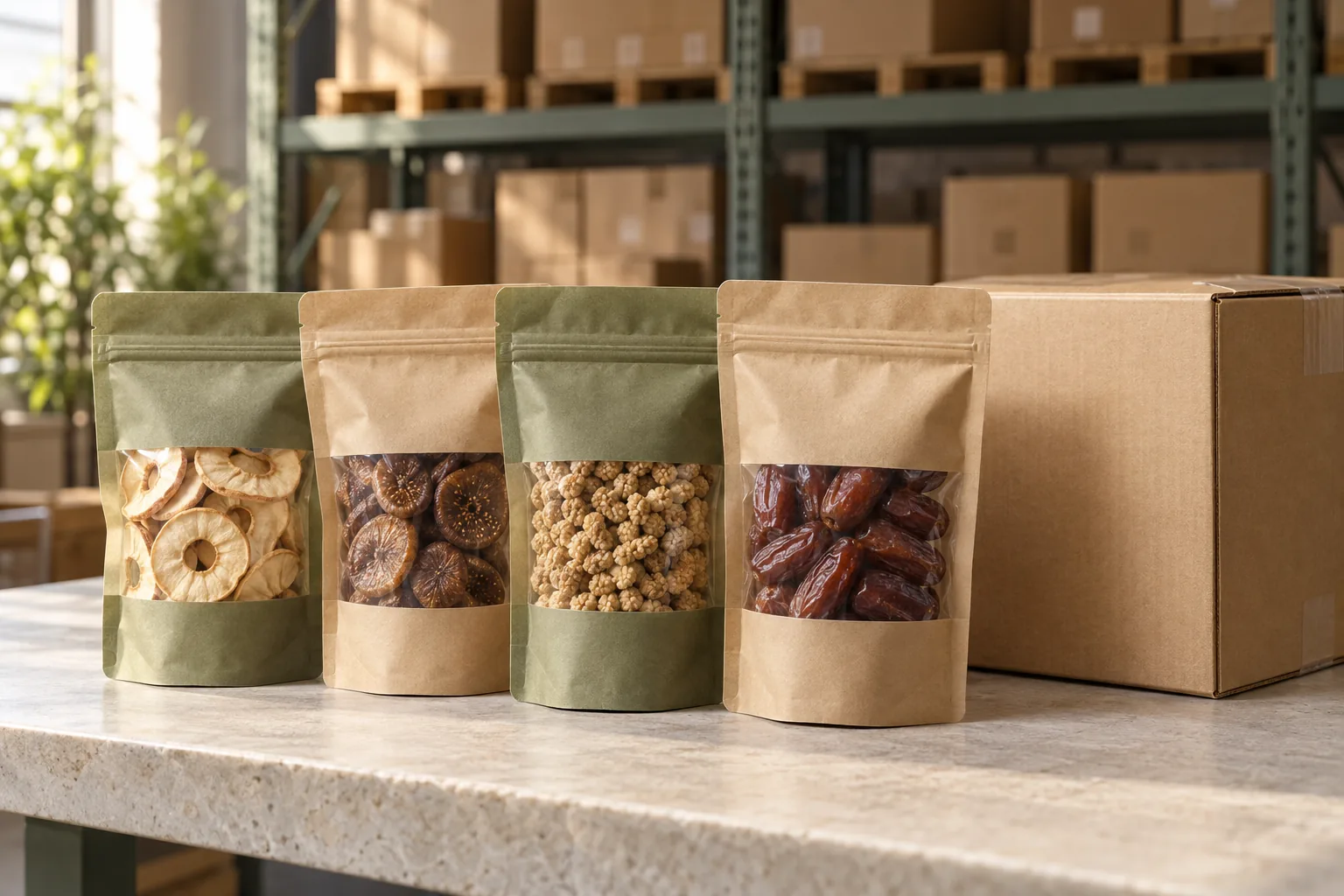
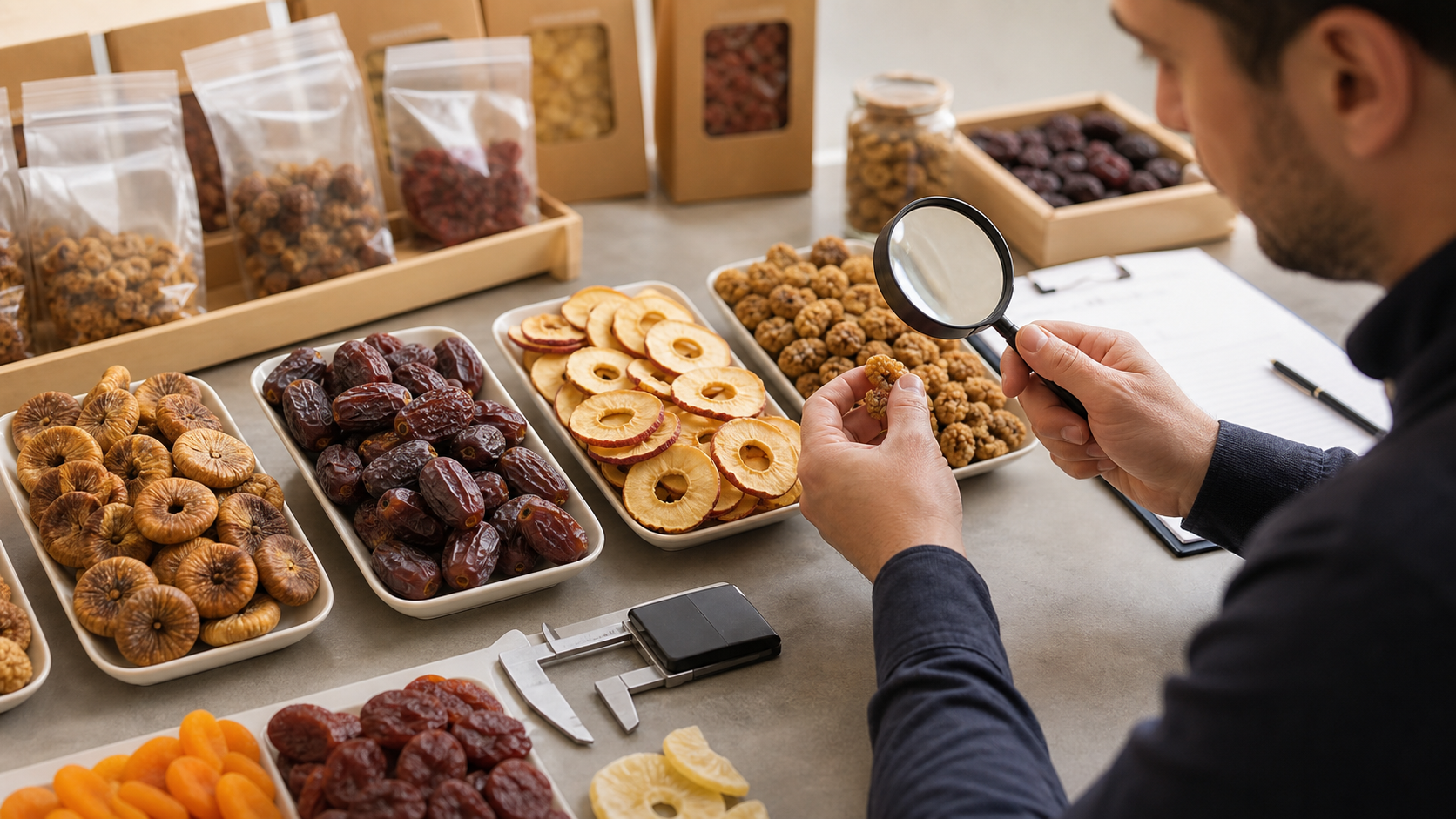
A wholesale dried fruit order can look attractive on price alone and still fail in the market. Before you commit, the safer check is whether the lot is visually consistent, properly dried, clean enough for retail, and stable enough to reorder. That is the kind of filter that helps importers, distributors, and private label buyers avoid unnecessary risk.
For North American buyers, dried fruit quality is usually judged less by one perfect sample and more by whether the supplier can repeat the same standard across cartons and batches. That is why a practical inspection framework matters before you place the first order.
1. Check the five basics first
When a supplier sends a sample, the first pass should be simple and visual. Before going deep into pricing or landing cost, look at:
- color consistency
- size and cut uniformity
- moisture and surface condition
- foreign matter or visible defects
- carton, inner pack, and seal quality
If the product is for retail, these checks matter because the end customer will notice uneven color, broken pieces, sticky surfaces, or inconsistent sizing almost immediately.
2. Different dried fruits fail in different ways
Not every dried fruit should be judged with the same lens. A few examples help explain why.
Dried figs
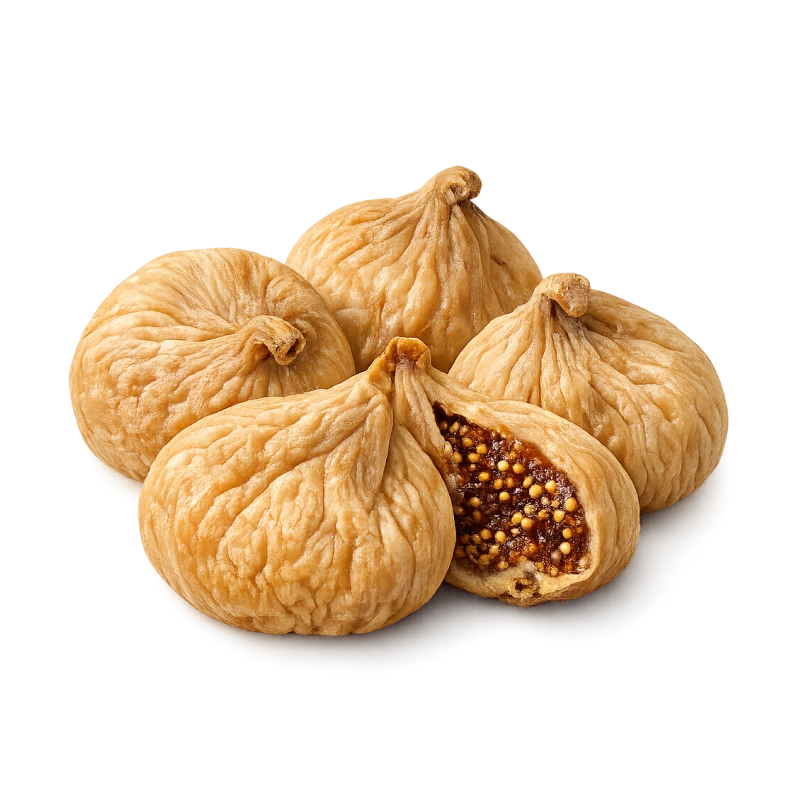
Dried Figs should feel clean, reasonably soft, and visually balanced. Too much breakage, a dusty surface, or uneven moisture can make the lot look old even when the price is competitive.
Dates and jujube
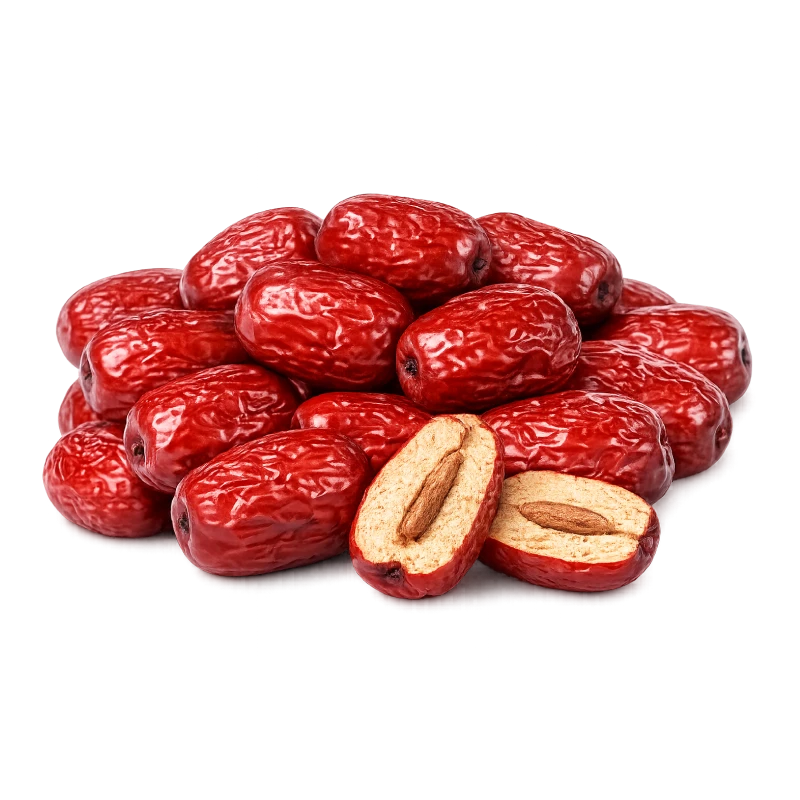
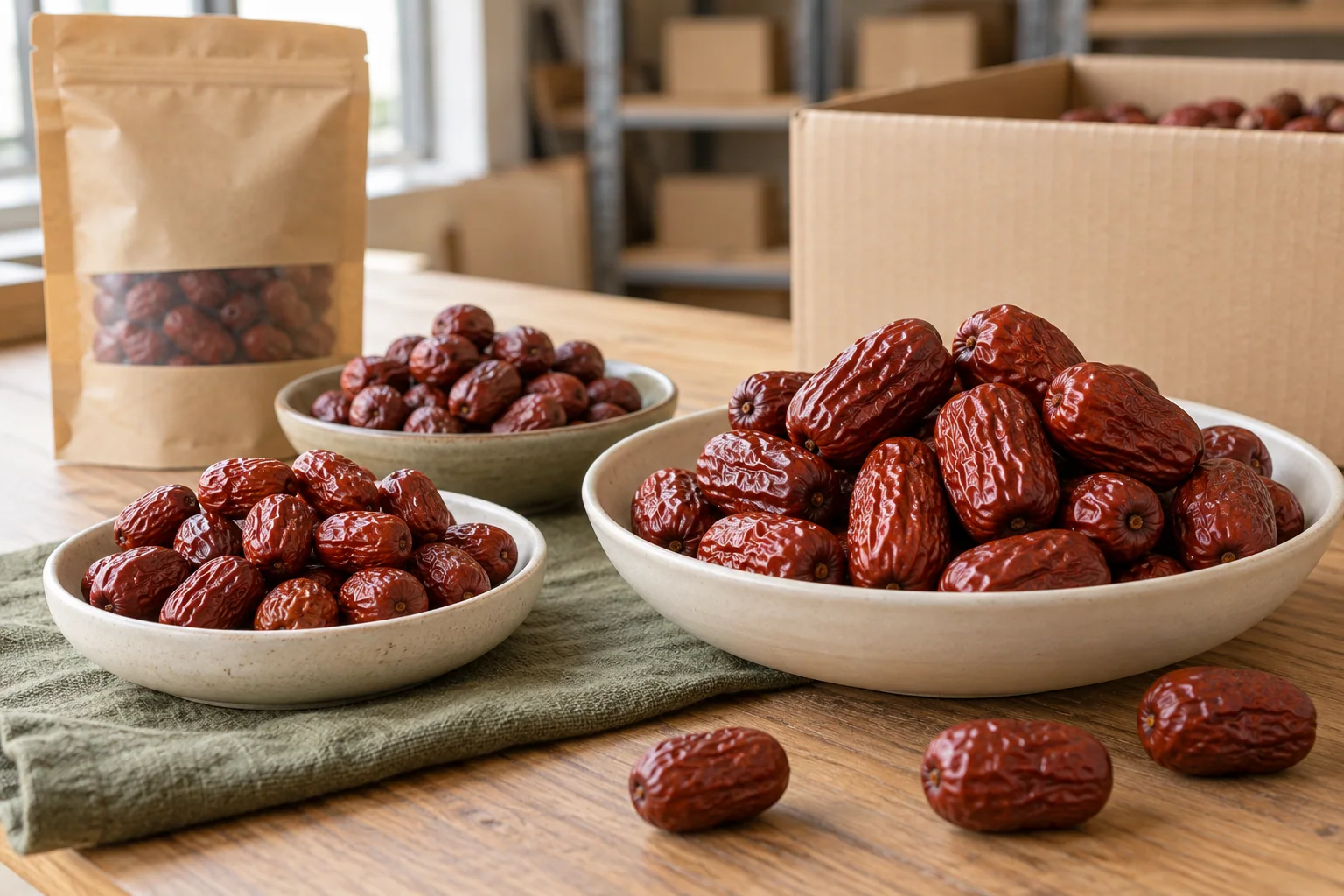
Red Dates (Jujube) and Honey Dates usually need strong shape retention, a clean surface, and a stable sweetness profile. Buyers should pay attention to whether the fruit is split, crushed, or too sticky for retail packaging.
Delicate sliced fruit
Products such as Dried Apple Slices and Dried Snow Pear are more sensitive to breakage, browning, and uneven drying. These products often look good in a sample jar but reveal problems once they are packed in cartons and moved through shipping.
Small berries and soft fruit
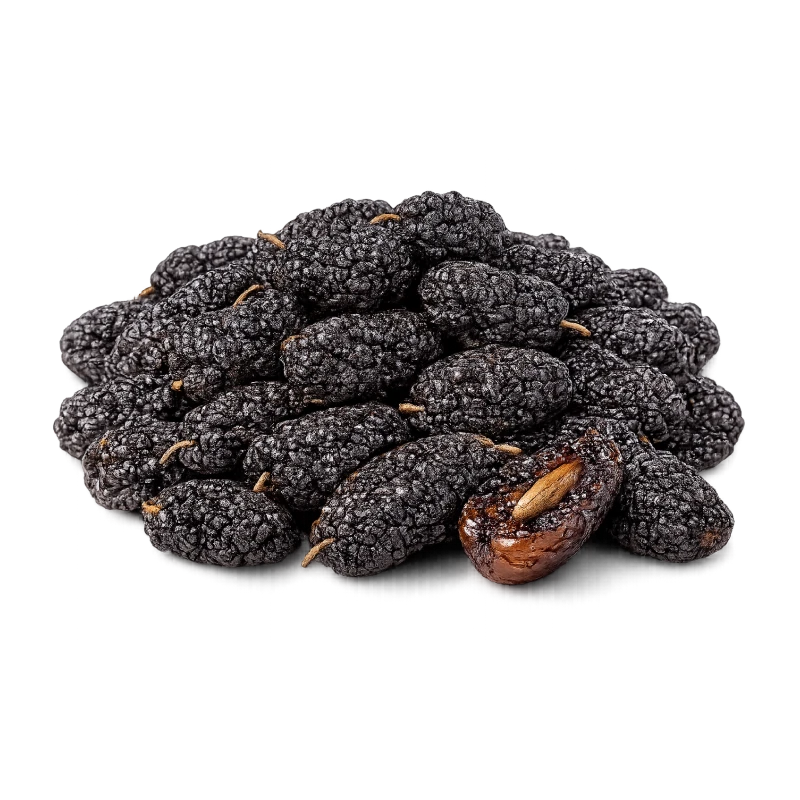
Dried Mulberries and other soft fruit items can clump, compress, or lose visual appeal if the moisture level is not controlled well. For these items, batch photos and packed samples matter more than a loose hand sample.
3. Ask for proof, not just promises
Before placing a wholesale order, buyers should ask the supplier for:
- sample from the actual production lot
- carton photo and inner pack photo
- moisture or shelf-life target
- batch size and production date
- confirmation of cut size, grade, or sweetness profile
- storage and packaging recommendation for export
This matters because a beautiful sample does not always represent the final bulk lot. A supplier who can show the real production format usually gives buyers a much better sense of consistency.
4. Structure the first order as a test
The first order should not try to prove everything at once. It is better to test a small set of practical questions:
- Is the quality consistent between sample and bulk?
- Does the packaging hold up during transit?
- Can the product be placed on shelf without extra sorting?
- Will the item still look good after the first carton is opened?
A safer first order usually includes one stable SKU and one slightly more delicate SKU. That gives the buyer a better picture of whether the supplier can handle both volume and presentation.
5. What North American buyers should prioritize
For North American retail and distribution, the most useful dried fruit suppliers are usually the ones who can do three things well:
- keep the product visually consistent
- pack it in a retail-friendly way
- repeat the same standard on the next order
That is often more valuable than chasing the lowest initial quote.
Conclusion
Wholesale dried fruit quality should be judged as a repeatability question, not just a sample question. If the fruit looks clean, arrives stable, and can be reordered with the same standard, it is much more likely to work in retail, distribution, or private label programs.
If you are comparing a first wholesale assortment, browse our dried fruit catalog or send an inquiry with your target market, pack size, and first-order plan.
 Related products